

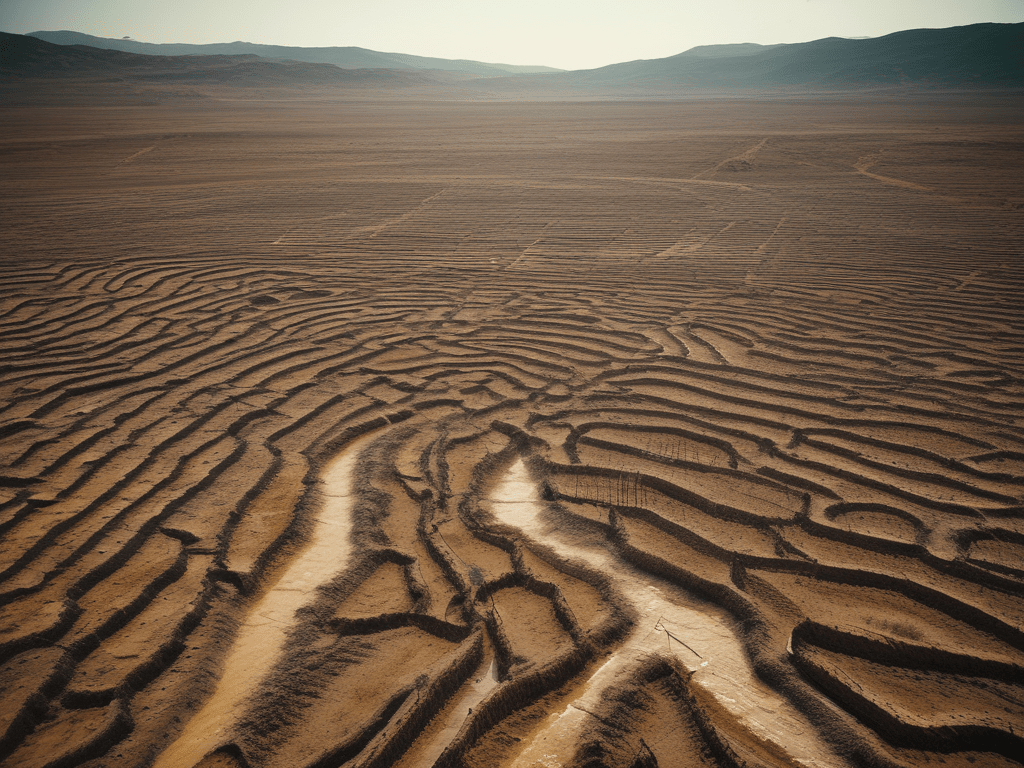
Lebanon, a nation renowned for its rich cultural heritage and diverse landscapes, faces a severe water crisis that threatens its agricultural sector. Nearly two-thirds of the population outside the capital, Beirut, depends on agriculture for their livelihoods. Yet, these communities are grappling with an increasingly dire situation: every drop of water has become a battleground.
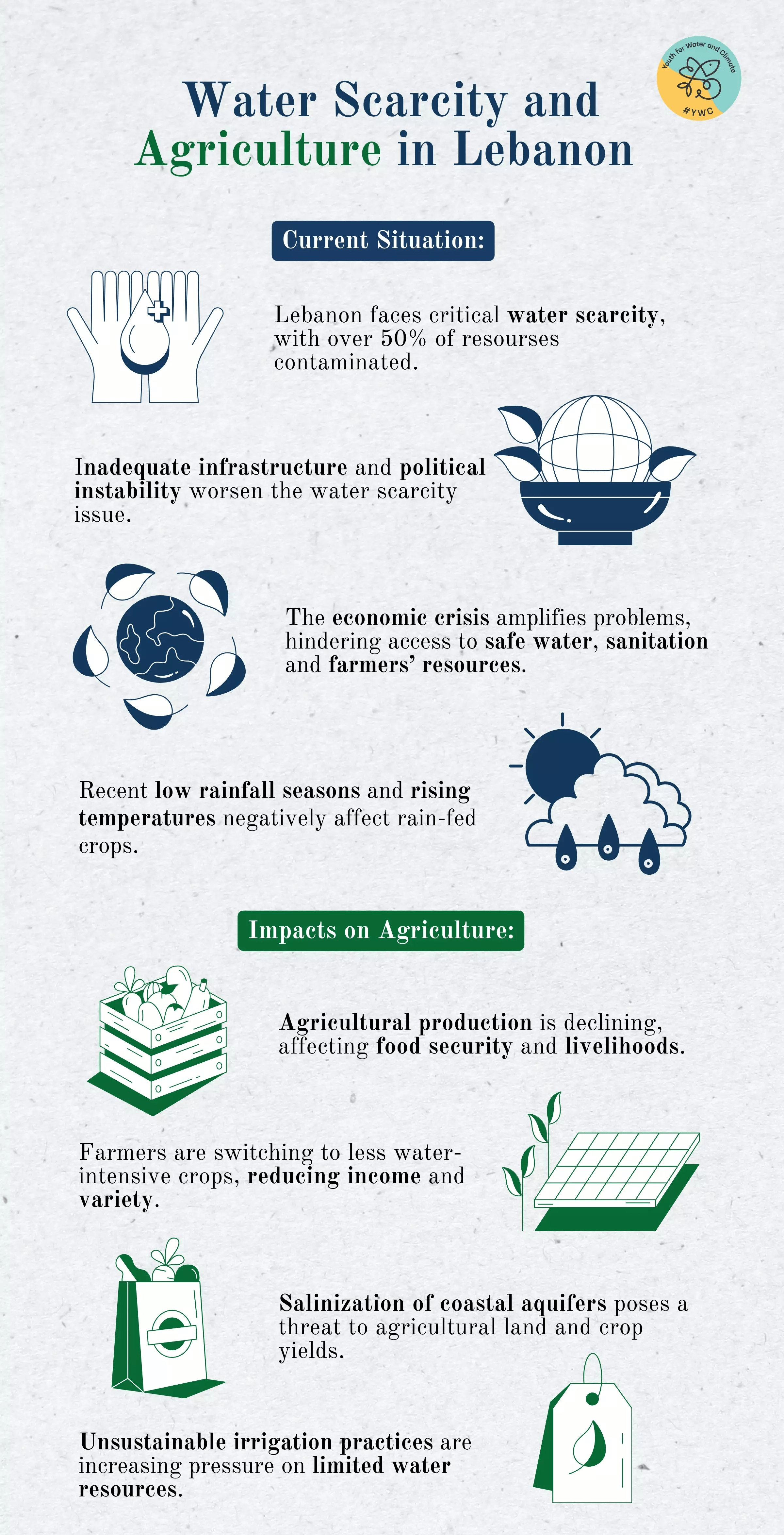
Understanding the Crisis
Water scarcity in Lebanon is not a new phenomenon, but its impacts are becoming more pronounced due to a combination of factors:
- Climate Change: Lebanon’s climate is shifting, with increasing temperatures and decreasing precipitation affecting water availability. The Mediterranean climate, which traditionally provided adequate seasonal rainfall, is now characterized by more extreme weather events, including prolonged droughts and irregular rain patterns.
- Population Growth: Rapid population growth and urban expansion have intensified the demand for water. The increasing number of people in urban areas puts additional pressure on already strained water resources, leading to competition between agricultural and domestic uses.
- Aging Infrastructure: Lebanon’s water infrastructure is outdated and poorly maintained. Leaky pipes and inefficient water management systems result in significant water loss before it even reaches the fields. This inefficiency exacerbates the scarcity problem, making it difficult for farmers to access the water they need.
- Political Instability: The country’s ongoing political turmoil has hindered effective water resource management and infrastructure development. Political disagreements and corruption have slowed the implementation of necessary reforms and investments in sustainable water solutions.
The Impact on Agriculture
Agriculture is the backbone of rural Lebanon, providing essential food and employment. However, the water crisis is severely affecting crop yields and livestock productivity. Farmers are facing:
- Reduced Crop Yields: Insufficient water supply leads to poor crop performance and reduced harvests, threatening food security and livelihoods.
- Increased Costs: The need to find alternative water sources or invest in costly irrigation systems adds to the financial burden on farmers.
- Soil Degradation: The lack of adequate irrigation contributes to soil erosion and degradation, further compromising agricultural productivity.
Looking Ahead
Addressing Lebanon’s water scarcity requires a multi-faceted approach. This includes:
- Investing in Modern Infrastructure: Upgrading and repairing water infrastructure to reduce losses and improve efficiency.
- Adopting Sustainable Practices: Implementing water-saving techniques and sustainable agricultural practices to optimize water use.
- Enhancing Water Management: Developing comprehensive water management strategies and policies that address both short-term needs and long-term sustainability.
- Strengthening Political Will: Ensuring that political leaders prioritize water issues and work collaboratively to address the crisis.
Additional Resources
Want to learn more? Check out these helpful resources:


 planetsync.blog
Leave a comment