

-
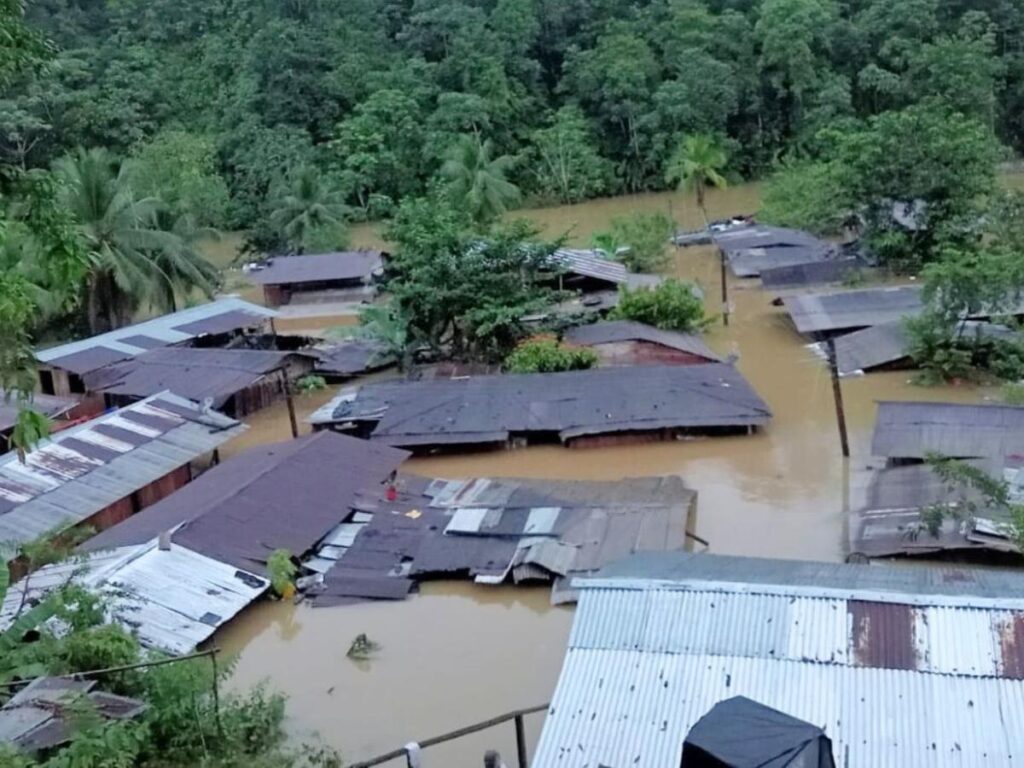
Colombia Faces Severe Flooding: What’s Happening and Why It Matters
Severe flooding in northern Colombia in February 2026 has left at least 18–22 people dead and affected more than 150,000 residents across Córdoba, Sucre, La Guajira, Antioquia, Bolívar, Cesar, Magdalena, and Chocó. Unusually intense rainfall linked to repeated cold fronts over the Caribbean basin caused rivers such as the Sinú to overflow, overwhelming drainage systems…
-
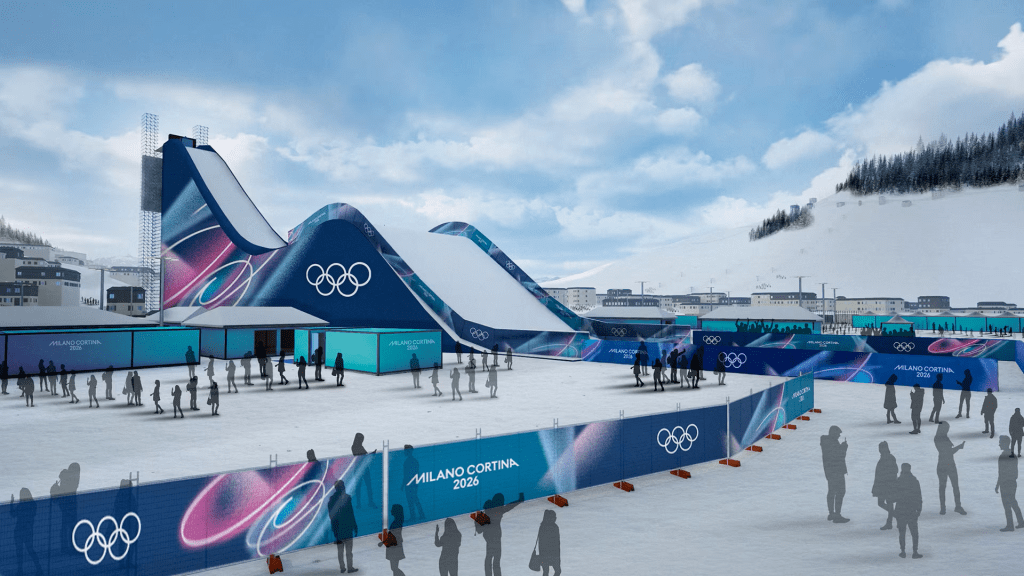
Winter Games on a Warming Planet: Climate Reality Behind the Milano-Cortina 2026 Olympics
As the Milano-Cortina 2026 Winter Olympics unfold, rising temperatures in the European Alps are increasing reliance on artificial snow and reshaping the future of winter sport.
-
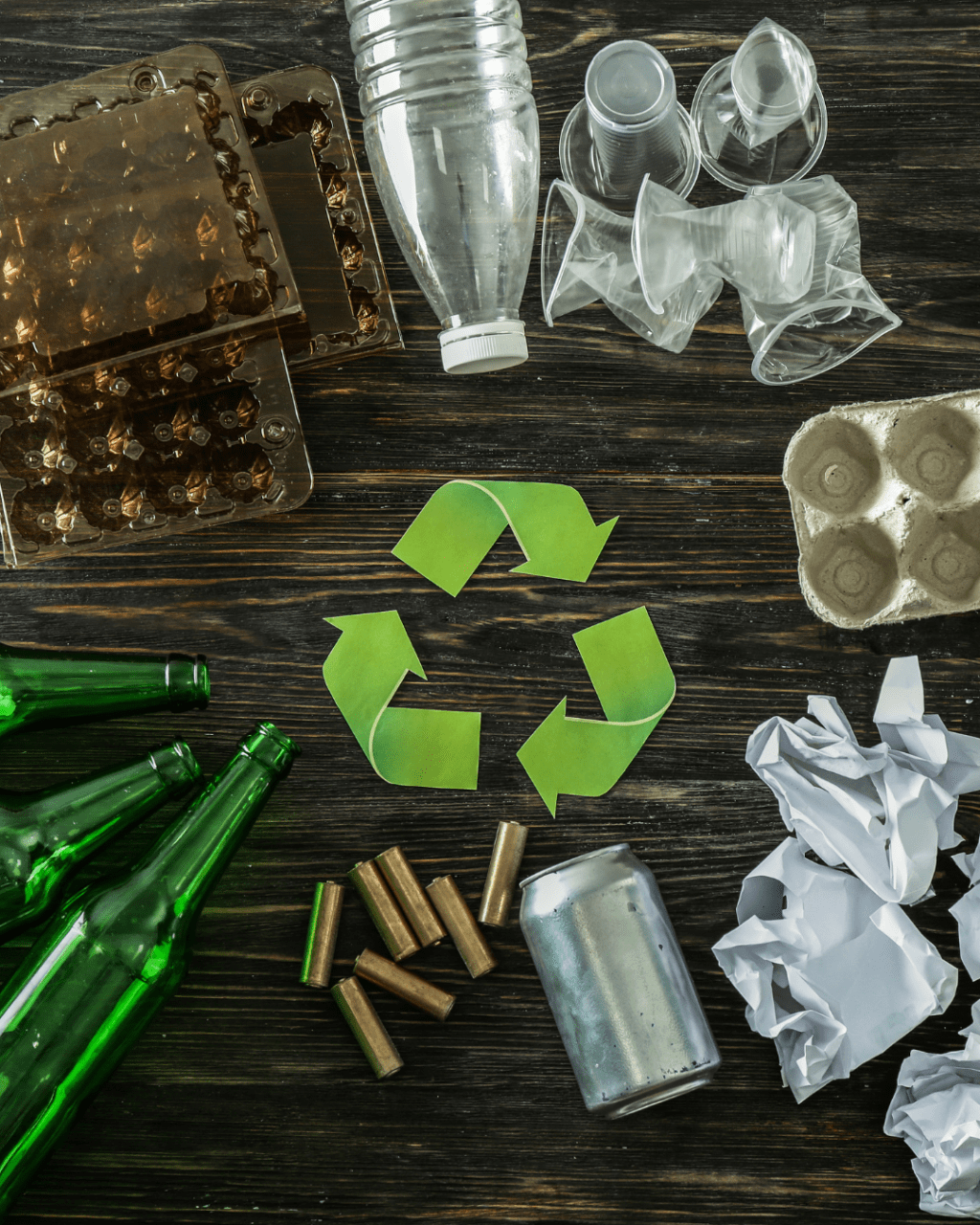
Dutch Recycling Success Story or Sustainability Illusion?
The Netherlands is often hailed as a global leader in recycling and waste management, boasting some of the highest recovery rates in Europe. Yet behind the impressive statistics lies a more complex reality. While paper, glass, and metals are efficiently recycled, plastics remain a weak link, with much of it downcycled, incinerated, or exported abroad.…
-
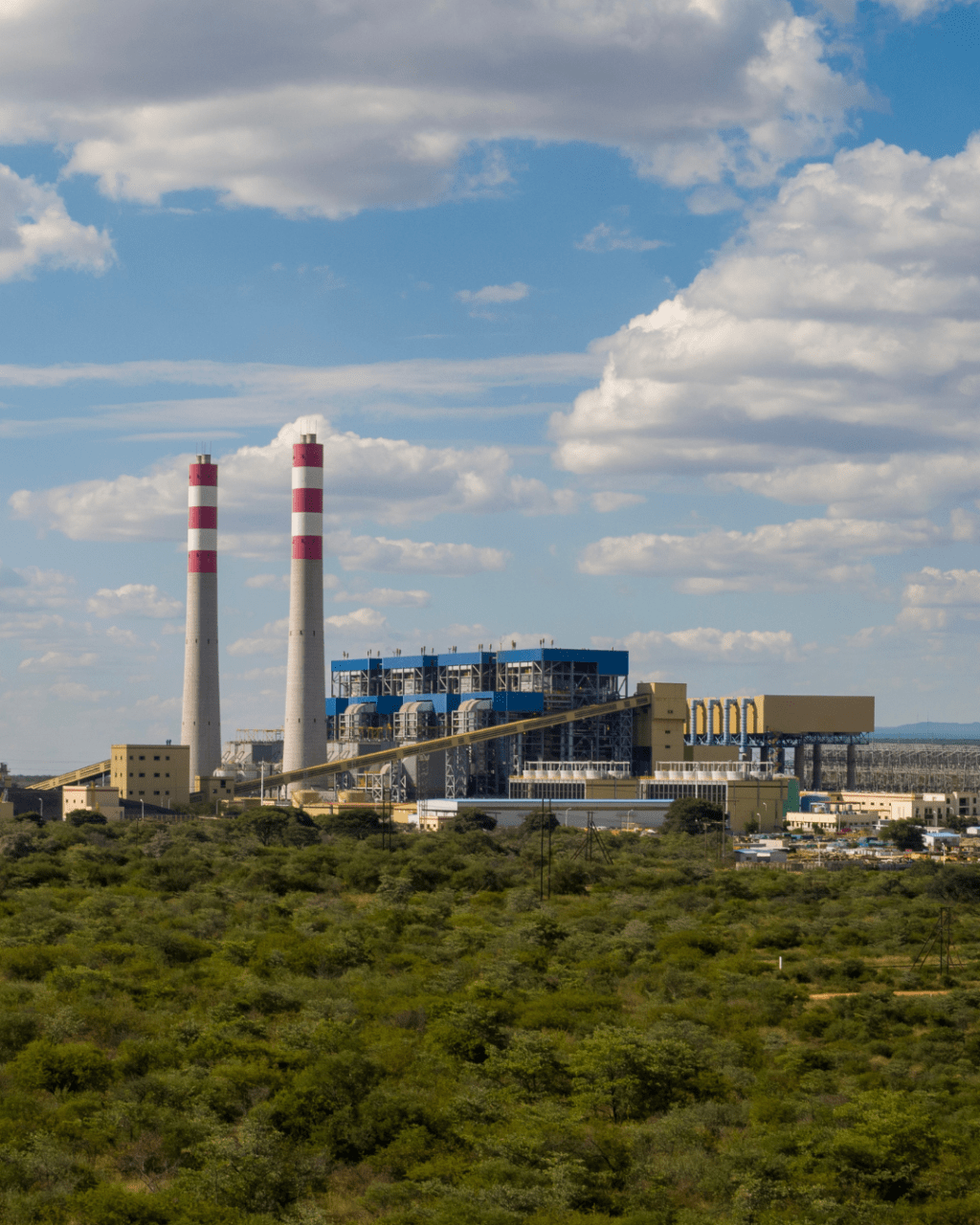
Fossil Fuels Win, Climate Ambition Wait: Key Takeaways from COP30 in Belém
COP30 in Belém raised high expectations for action on fossil fuels, deforestation, emissions, and climate finance, but delivered only partial progress. The summit highlighted a widening gap between climate ambition and implementation, with stalled commitments on fossil fuel phase-out, weak timelines on forest protection, and uncertainty in adaptation finance. Key debates over transparency, just transition,…
-
Parliament Sets a 2040 Climate Direction
The European Parliament’s decision to endorse a binding 90% reduction in net greenhouse-gas emissions by 2040 marks a significant moment in the EU’s climate trajectory. Positioned between the 2030 milestone and the 2050 climate-neutrality goal, the new target aims to balance scientific guidance with the diverse political and economic realities across member states.
-

COP30 in the Amazon: Can the World Turn Climate Promises into Action?
From 10–21 November 2025, the world will meet in Belém, Brazil, for COP30, a decisive moment for global climate action. Set in the heart of the Amazon, the summit will test whether nations can turn promises into measurable progress on deforestation, decarbonization, and climate finance. As Brazil pushes to align environmental protection with equity and…
-
EU Reaches Compromise on 2040 Climate Target Ahead of COP30
The European Union has reached a crucial 2040 climate deal, committing to a 90% cut in greenhouse-gas emissions by 2040 while allowing carbon credits and flexible implementation. The compromise reflects Europe’s struggle to balance green ambition, industrial competitiveness, and social fairness ahead of COP30 in Brazil.
-
Turning Wastewater Treatment Plants into Resource Recovery Hubs
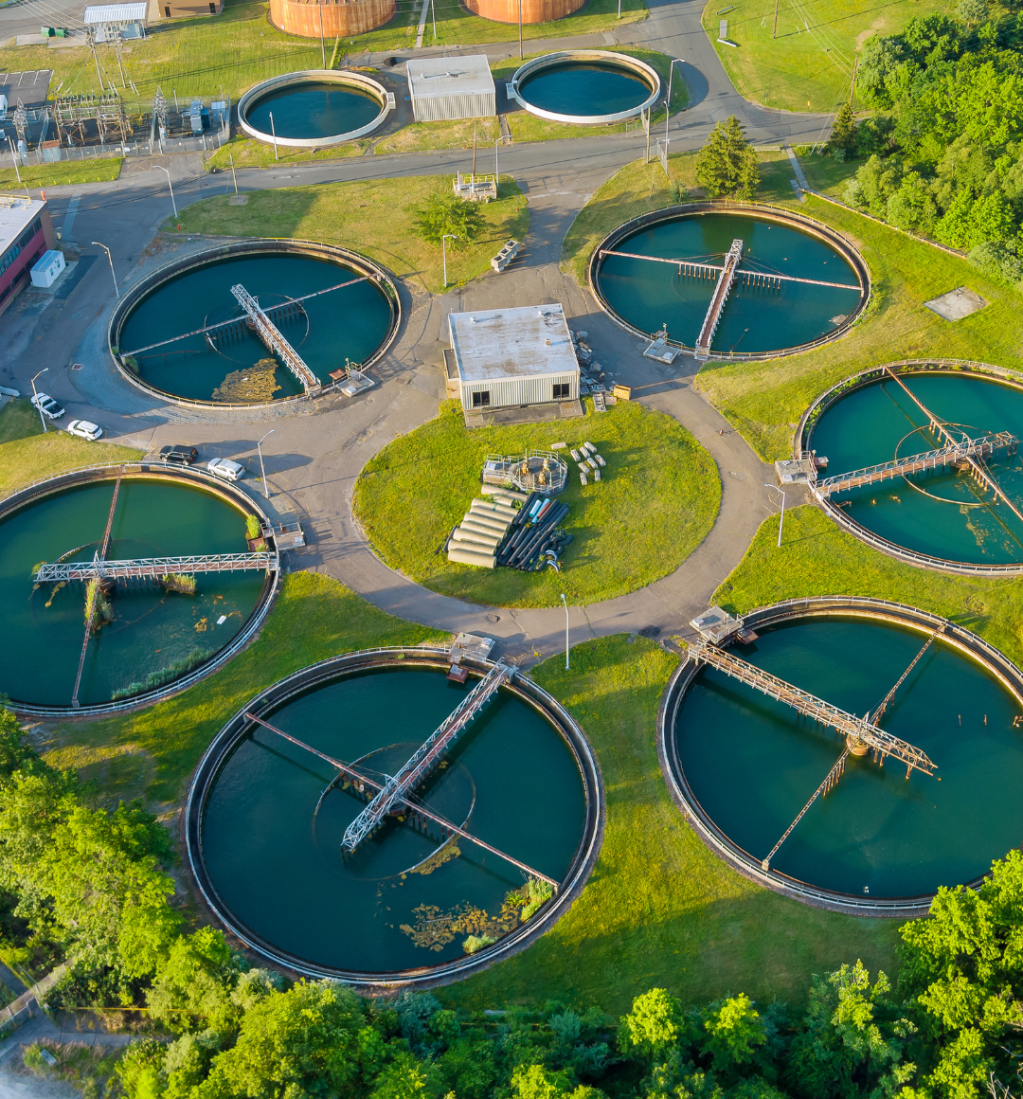
Wastewater treatment plants are evolving from simple water cleaners into powerful resource recovery hubs. Discover how modern WWTPs turn sludge into renewable energy, produce green hydrogen, recover nutrients and biodegradable materials, and drive the circular economy toward a sustainable future.
-

The EU Is Done With Packaging Waste
The European Union’s new Packaging and Packaging Waste Regulation (PPWR), in force since February 2025, marks a major shift in how packaging is designed, used, and recycled across Europe. Replacing the old 1994 Directive, the PPWR sets strict recyclability, reuse, and waste-reduction targets for businesses and consumers alike. From 2026 onward, companies must redesign packaging…
-

Beyond Veggie Burgers: The EU’s Debate Over Plant-Based Labels
Europe is divided over what to call its plant-based food. The European Parliament’s recent vote to restrict words like “burger,” “steak,” and “sausage” for plant-based products has reignited a heated debate across the continent. Supporters say the move protects consumers and traditional farmers; critics call it unnecessary and out of step with Europe’s climate goals.…
Hi,
I’m Johanna

Welcome to PlanetSync, your gateway to exploring the pressing challenges, emerging trends, and policy developments shaping the future of our planet’s water resources and environmental systems.
My mission is to bring attention to important topics often overlooked, misunderstood, or difficult to engage with. Through clear and accessible information, I aim to inform and inspire individuals to take informed actions that drive lasting, positive change.
Let’s connect
🌍 Join the PlanetSync Newsletter: Where Complex Issues Meet Clear Insights! 🌍

Water Topics
© 2025 PlanetSync by Johanna Gutiérrez
 planetsync.blog