

-

COP30 in the Amazon: Can the World Turn Climate Promises into Action?
From 10–21 November 2025, the world will meet in Belém, Brazil, for COP30, a decisive moment for global climate action. Set in the heart of the Amazon, the summit will test whether nations can turn promises into measurable progress on deforestation, decarbonization, and climate finance. As Brazil pushes to align environmental protection with equity and…
-
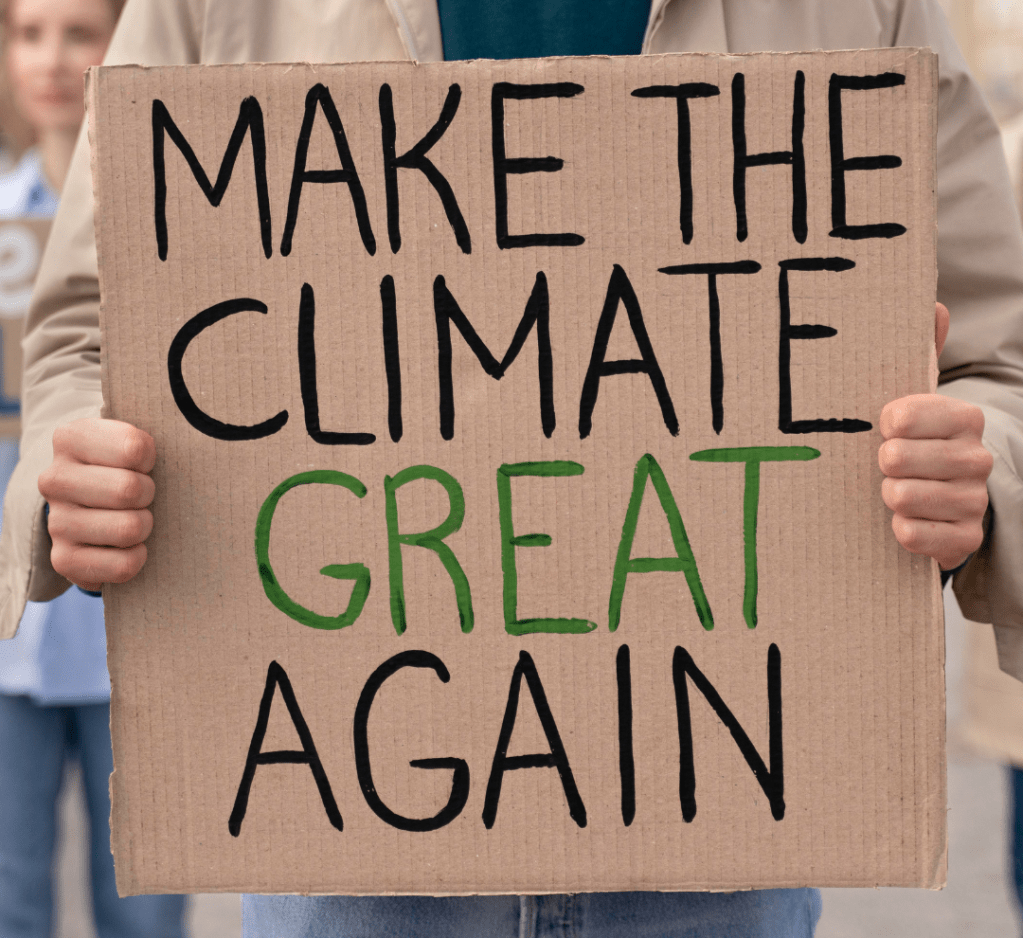
EU Reaches Compromise on 2040 Climate Target Ahead of COP30
The European Union has reached a crucial 2040 climate deal, committing to a 90% cut in greenhouse-gas emissions by 2040 while allowing carbon credits and flexible implementation. The compromise reflects Europe’s struggle to balance green ambition, industrial competitiveness, and social fairness ahead of COP30 in Brazil.
-
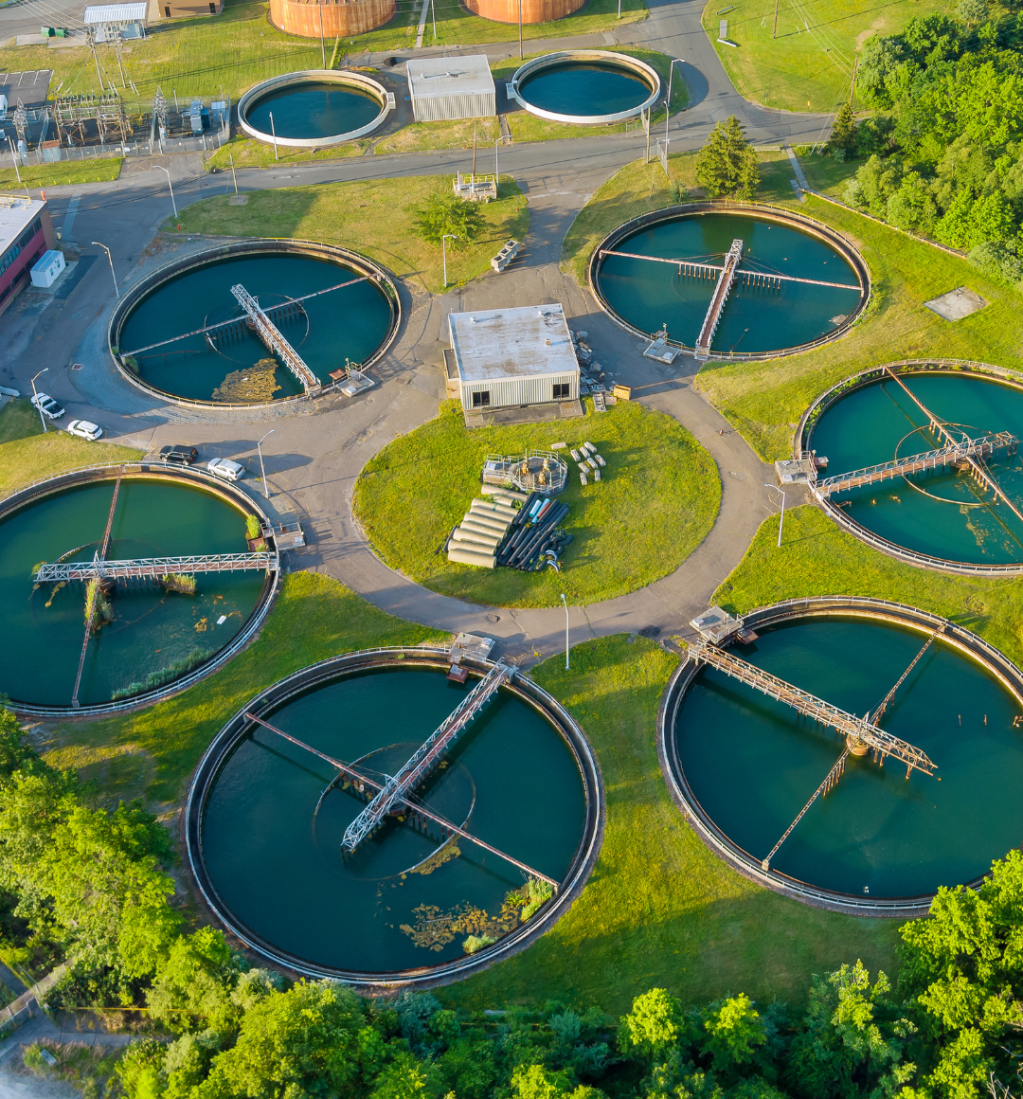
Turning Wastewater Treatment Plants into Resource Recovery Hubs
Wastewater treatment plants are evolving from simple water cleaners into powerful resource recovery hubs. Discover how modern WWTPs turn sludge into renewable energy, produce green hydrogen, recover nutrients and biodegradable materials, and drive the circular economy toward a sustainable future.
-

The EU Is Done With Packaging Waste
The European Union’s new Packaging and Packaging Waste Regulation (PPWR), in force since February 2025, marks a major shift in how packaging is designed, used, and recycled across Europe. Replacing the old 1994 Directive, the PPWR sets strict recyclability, reuse, and waste-reduction targets for businesses and consumers alike. From 2026 onward, companies must redesign packaging…
-

Beyond Veggie Burgers: The EU’s Debate Over Plant-Based Labels
Europe is divided over what to call its plant-based food. The European Parliament’s recent vote to restrict words like “burger,” “steak,” and “sausage” for plant-based products has reignited a heated debate across the continent. Supporters say the move protects consumers and traditional farmers; critics call it unnecessary and out of step with Europe’s climate goals.…
-
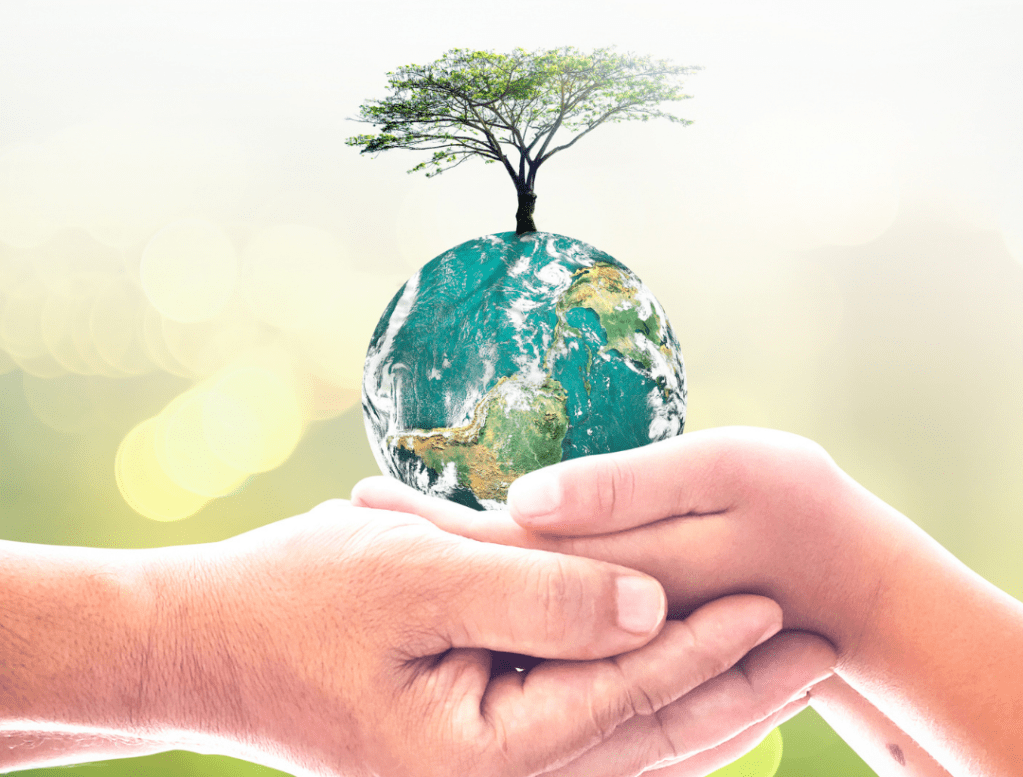
Understanding the Right to a Healthy Environment
The right to a healthy environment is increasingly recognized as a fundamental human right, linking dignity and well-being to clean air, safe water, and thriving ecosystems. From its early recognition at the 1972 Stockholm Conference to the UN’s 2022 resolution affirming it as universal, this right has gained global traction. Today, over 150 countries acknowledge…
-

Water Pollution, the Right to a Healthy Environment, and the Triple Planetary Crisis: The Dutch Case
Water pollution in the Netherlands illustrates how ecological decline directly undermines the human right to a healthy environment. Despite strong legal frameworks at national and EU levels, no Dutch surface water meets ecological standards, and over 90% fail chemical criteria. Nutrient surpluses, pesticides, and PFAS contamination drive biodiversity loss and pose health risks, while climate…
-

Addressing Water Quality and Aquatic Biodiversity Challenges in the Netherlands
Restoring water quality and aquatic biodiversity in the Netherlands remains a complex challenge, driven by nutrient pollution, legacy contaminants, and ecological pressures. This article explores key strategies for tackling these issues, including nature-based solutions such as wetlands and large-scale projects like Marker Wadden, participatory monitoring through citizen science, adaptive governance frameworks like the Delta Programme,…
-

How Water Pollution Threatens Aquatic Biodiversity in the Netherlands
Water pollution in the Netherlands threatens aquatic biodiversity through eutrophication, chemical contamination, and habitat modification. Nutrient overload fuels algal blooms and oxygen depletion, while PFAS, pesticides, and microplastics add long-term ecological stress. With 95% of Dutch waters heavily modified, restoring rivers, wetlands, and ecosystems requires adaptive management and urgent action to safeguard biodiversity and water…
-

Dutch Water Status under the Water Framework Directive: Progress, Challenges, and the Way Forward
The Netherlands faces major challenges in meeting the EU Water Framework Directive (WFD) targets by 2027. Despite progress in groundwater quality and quantity, most Dutch surface waters still fail to achieve good ecological and chemical status due to agriculture, persistent pollutants, and climate change. This article explores the current state of Dutch waters, key pollutants,…
Hi,
I’m Johanna

Welcome to PlanetSync, your gateway to exploring the pressing challenges, emerging trends, and policy developments shaping the future of our planet’s water resources and environmental systems.
My mission is to bring attention to important topics often overlooked, misunderstood, or difficult to engage with. Through clear and accessible information, I aim to inform and inspire individuals to take informed actions that drive lasting, positive change.
Let’s connect
🌍 Join the PlanetSync Newsletter: Where Complex Issues Meet Clear Insights! 🌍

Water Topics
© 2025 PlanetSync by Johanna Gutiérrez

