

-

Water Quality Challenges in the Netherlands: Driving Forces and Key Pressures
The Netherlands is one of Europe’s most water-engineered countries, with approximately 26% of its land area lying below sea level. The country’s geography has been shaped by water for centuries. To promote sustainable water management, European countries implement the EU Water Framework Directive (WFD), which requires all water bodies to achieve “good status” at the…
-

6 Myths About Low-Waste Picnics
Discover the truth behind common zero-waste picnic myths and learn practical, eco-friendly tips to reduce waste outdoors. From reusables vs disposables to compostable plastics, food waste, and smart picnic planning, this guide shows how small choices create a big impact for sustainable, plastic-free picnics.
-

No Consensus in Geneva on UN Plastics Treaty Negotiations
Global efforts to finalize a legally binding UN plastics treaty have hit a stalemate after two weeks of negotiations in Geneva ended without agreement. Deep divides remain between countries advocating strict limits on virgin plastic production and those prioritizing recycling and waste management. With no consolidated draft or timetable for the next round, the deadlock…
-

At the Beach? Simple Ways to Leave It Better Than You Found It
Beaches are fragile ecosystems under growing pressure from plastic pollution, chemical runoff, and human activity. The good news? You can help protect them with a few easy habits: collect litter before it reaches the ocean, switch to reef-safe sunscreen, bring reusable bottles and containers, and always bin or pack out your waste. These small, repeatable…
-

Geneva 2025 Plastic Treaty Talks: A Step Forward or Another Missed Chance?
The Geneva 2025 Plastic Treaty Talks aim to finalize the world’s first binding global agreement on plastic pollution. While hopes are high, major disagreements over production caps, toxic chemicals, and funding raise doubts about its strength. Will this treaty drive real change or become another symbolic gesture like past environmental deals?
-

AI’s Footprint Is Small… Until It Isn’t (Part 2)
As AI systems become faster and more efficient, their environmental impact is often downplayed, but are we seeing the full picture? This article challenges popular narratives about AI’s sustainability, exploring how efficiency gains can actually drive higher overall energy use, and why per-query comparisons to burgers or car trips miss the point. From GPU power…
-

AI’s Footprint Is Small… Until It Isn’t (Part 1)
What’s the real environmental cost of AI? While official figures downplay the impact, a closer look reveals a far more complex picture. From massive energy demands to hidden water consumption, AI’s footprint extends well beyond per-query stats. This article explores the gaps in corporate transparency, highlight the role of early independent estimates, and the growing…
-

UK’s 2025 Hosepipe Bans and Droughts: Why the World Should Pay Attention
In July 2025, the UK imposed hosepipe bans following its driest spring in over a century and record-breaking heat. But this crisis is more than a local inconvenience, it reflects a growing global pattern. Climate change, outdated infrastructure, and rising demand are converging to strain water systems worldwide. While individual actions can help, real resilience…
-
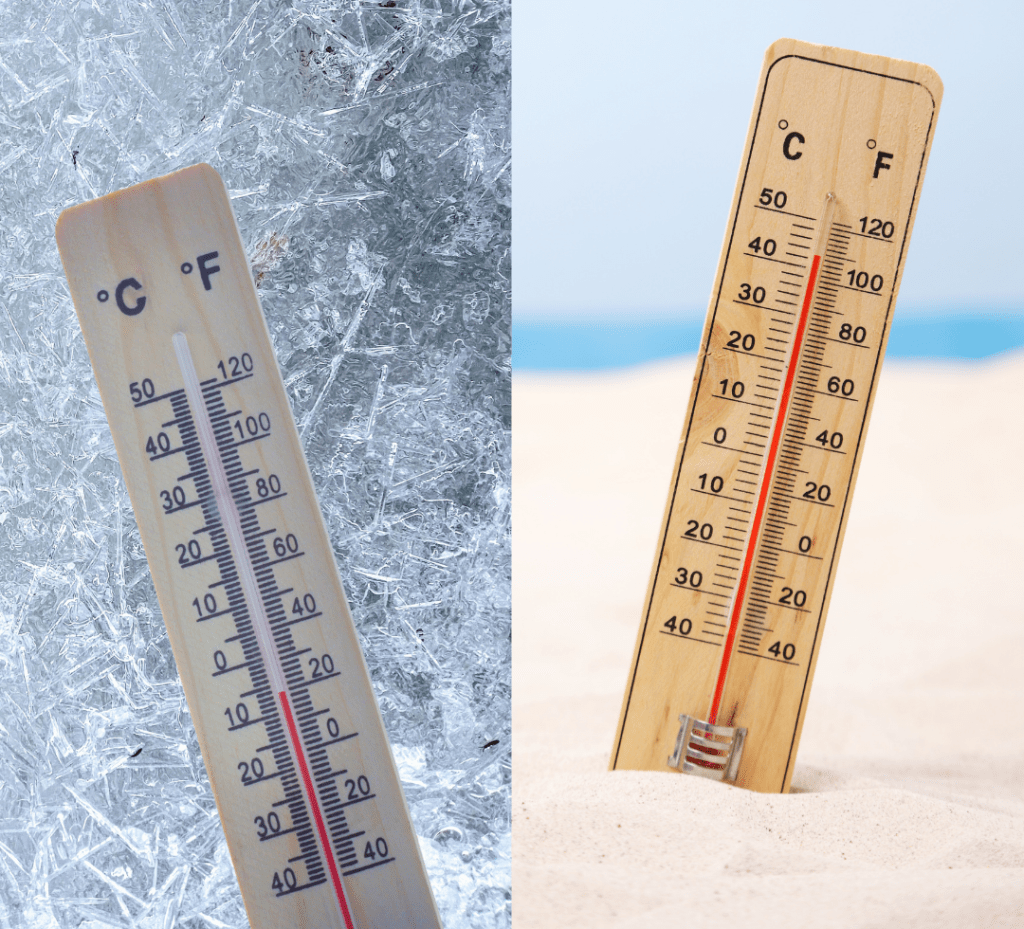
A Week of Extremes: Heat and Cold from Pole to Pole
A record-breaking week of extremes: while Europe and North America battled deadly heatwaves, Southern South America experienced rare polar cold. This article explores how climate change, jet stream disruption, Arctic amplification, and atmospheric blocking patterns are driving simultaneous heat and cold events across the globe. Understand the science behind heat domes, polar anticyclones, and the…
-

European Union’s Battle Against Microplastics: What’s Being Done and What’s Next
Microplastics are increasingly recognized as an environmental and public health concern, prompting decisive action at the European Union (EU) level. Through a combination of regulatory measures, scientific advancements, and public engagement, the EU is working to mitigate microplastic pollution. This article provides an overview of the key measures being taken and what the future holds…
Hi,
I’m Johanna

Welcome to PlanetSync, your gateway to exploring the pressing challenges, emerging trends, and policy developments shaping the future of our planet’s water resources and environmental systems.
My mission is to bring attention to important topics often overlooked, misunderstood, or difficult to engage with. Through clear and accessible information, I aim to inform and inspire individuals to take informed actions that drive lasting, positive change.
Let’s connect
🌍 Join the PlanetSync Newsletter: Where Complex Issues Meet Clear Insights! 🌍

Water Topics
© 2025 PlanetSync by Johanna Gutiérrez

