

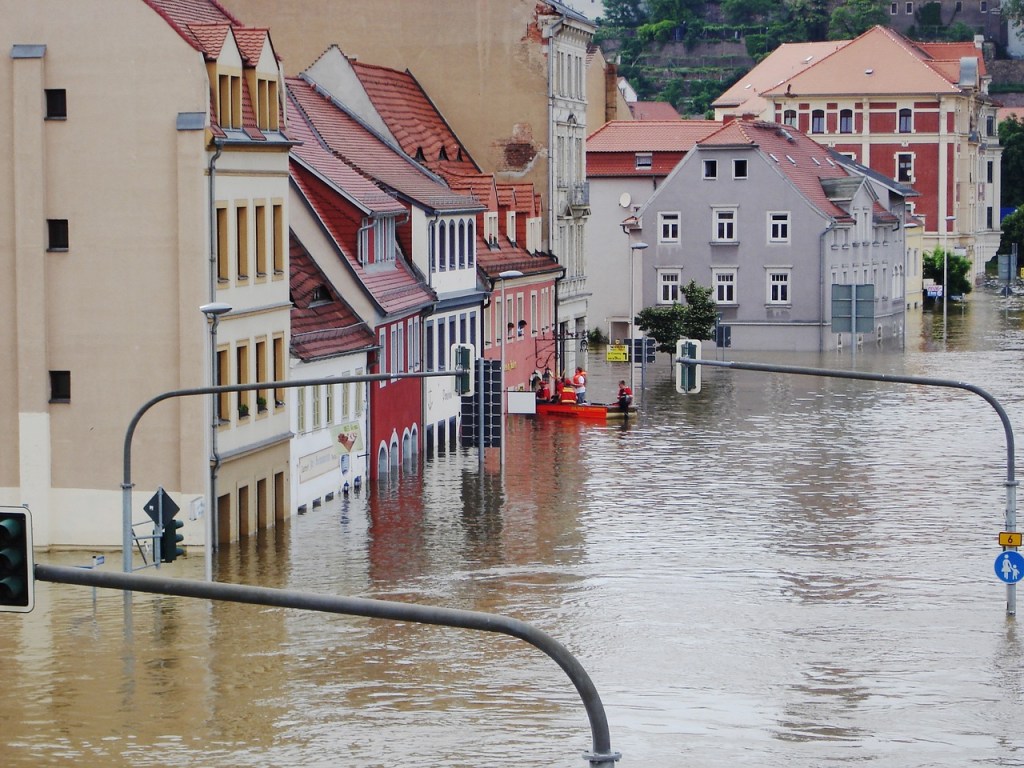
Building upon the insights presented in Part I, the mid-September 2024 floods in Central and Eastern Europe stand as a stark reminder of the ever-growing dangers posed by extreme weather events. While the immediate destruction captured the world’s attention, the long-term consequences are just as significant. Yet, amidst the devastation, this disaster provides a crucial opportunity to reassess and strengthen our preparedness for future floods.
Long-Term Consequences of the Floods
- Economic Strain: The financial burden of recovery will be huge. Rebuilding homes, roads, and essential infrastructure could take years. Agricultural losses, particularly in countries like Romania and Hungary, will further strain rural economies. For small businesses, the flood-induced disruptions could lead to permanent closures. Additionally, disrupted trade routes and halted industries will have a cascading effect on both regional and national economies. The longer the recovery takes, the deeper the economic wounds will run.
- Environmental Damage: The environmental toll of the floods has been equally devastating. Natural habitats, including agricultural lands, forests, and wetlands, have been severely impacted. The flooding rivers not only eroded landscapes but also polluted them, carrying debris, waste, and harmful chemicals into fragile ecosystems. Agricultural land, which was once fertile, now faces the possibility of reduced productivity due to soil degradation and erosion. Forests that provided natural flood barriers were either submerged or washed away. While some ecosystems, particularly wetlands, have a natural resilience and may recover faster, full restoration will require dedicated conservation efforts over the coming years.
- Social Consequences: The human toll is immeasurable. Entire communities have been displaced, leaving thousands without homes or livelihoods. Many of these individuals are now living in temporary shelters, uncertain of when they will return home or rebuild. In addition to the immediate challenges of relocation, the psychological trauma of loss and displacement could have far-reaching social consequences. Families that have lost their homes, businesses, or loved ones may face years of emotional recovery. Communities will also need to deal with the breakdown of social cohesion, as prolonged displacement can create feelings of isolation and helplessness. The challenge for governments and aid organizations will be addressing both the physical and psychological needs of these flood victims.
What Can Be Done to Mitigate Future Flood Disasters?
The mid-September 2024 floods in Central and Eastern Europe underscore the urgent need for proactive measures to mitigate future disasters. A multi-pronged strategy is essential to building resilience against increasingly frequent extreme weather events:
- Green Infrastructure: Restoring and expanding natural flood defenses is a critical step. Wetlands, forests, and floodplains act as natural buffers, slowing down water runoff and absorbing excess rainwater. By investing in the restoration of these ecosystems, countries can reduce flood risks while also promoting biodiversity and environmental health. Reforesting deforested areas, especially along riverbanks, will not only prevent soil erosion but also slow the velocity of floodwaters.
- Upgrading Infrastructure: Strengthening existing dams, levees, and drainage systems to handle more intense rainfall is crucial. Implementing advanced flood defense technologies could help reduce damage in vulnerable areas.
- Improved Forecasting and Early Warning Systems: Governments must enhance their forecasting capabilities, allowing communities to be alerted early and giving them precious time to evacuate or secure their homes. In addition, better communication channels between meteorologists, emergency responders, and local authorities can make a huge difference in saving lives and property.
- Sustainable Urban Planning: Cities in flood-prone areas need to adopt sustainable urban planning practices. This includes using permeable materials for roads and pavements to reduce water runoff and expanding green spaces that can naturally absorb rainwater. Additionally, stricter regulations on construction in high-risk flood zones must be implemented to prevent further developments from being placed in harm’s way. New urban projects should be designed with climate resilience in mind, ensuring that future infrastructure can withstand the increasing frequency of extreme weather events.
- International Cooperation: The September 2024 floods involved cross-border rivers like the Danube and the Oder, demonstrating that flood risks do not respect national borders. This makes international collaboration essential. Neighboring countries must work together, sharing data and resources to monitor river levels and storm patterns. Joint flood management strategies, including coordinated dam releases and emergency responses, will help reduce the scale of future disasters.
Global Lessons from Central and Eastern Europe’s September 2024 Floods
The devastating floods offer critical lessons not only for Central and Eastern Europe but for the global community as well. As extreme weather events become more frequent due to climate change, the strategies outlined suggested here could be applied worldwide to reduce the impact of similar disasters.
- Climate Action: Reducing greenhouse gas emissions is crucial for mitigating the long-term impacts of climate change. The more global temperatures rise, the more we will see disasters like the September 2024 Central and Eastern Europe’s floods. Every country has a role to play in reducing emissions and transitioning to sustainable energy sources. The future of our planet depends on it.
- Community Engagement: Empowering local residents with knowledge and resources can significantly reduce the damage caused by floods. Training programs, flood-proofing incentives, and public awareness campaigns should be prioritized, giving people the tools to protect themselves and their property.
- Holistic Planning: Flood prevention and disaster management must integrate environmental, economic, and social factors to create resilient systems. Rather than simply focusing on physical infrastructure, governments should also consider social support networks, ecosystem restoration, and sustainable development when planning for future disasters. This holistic approach will ensure that communities are better equipped to withstand future crises.
We must remember that failure to act could lead to more devastation—not just in Europe, but worldwide!
Additional Resources
- Floods in central-eastern Europe – September 2024
- Central Europe: Floods – Sep 2024
- Heavy rainfall is causing rivers to burst their banks, leaving huge swathes of central Europe reeling
- Climate change and high exposure increased costs and disruption to lives and livelihoods from flooding associated with exceptionally heavy rainfall in Central Europe
- Europe floods: Death toll rises as Storm Boris wreaks havoc
- Europe floods: EU plans €10 billion aid for affected members


 planetsync.blog
Leave a comment