

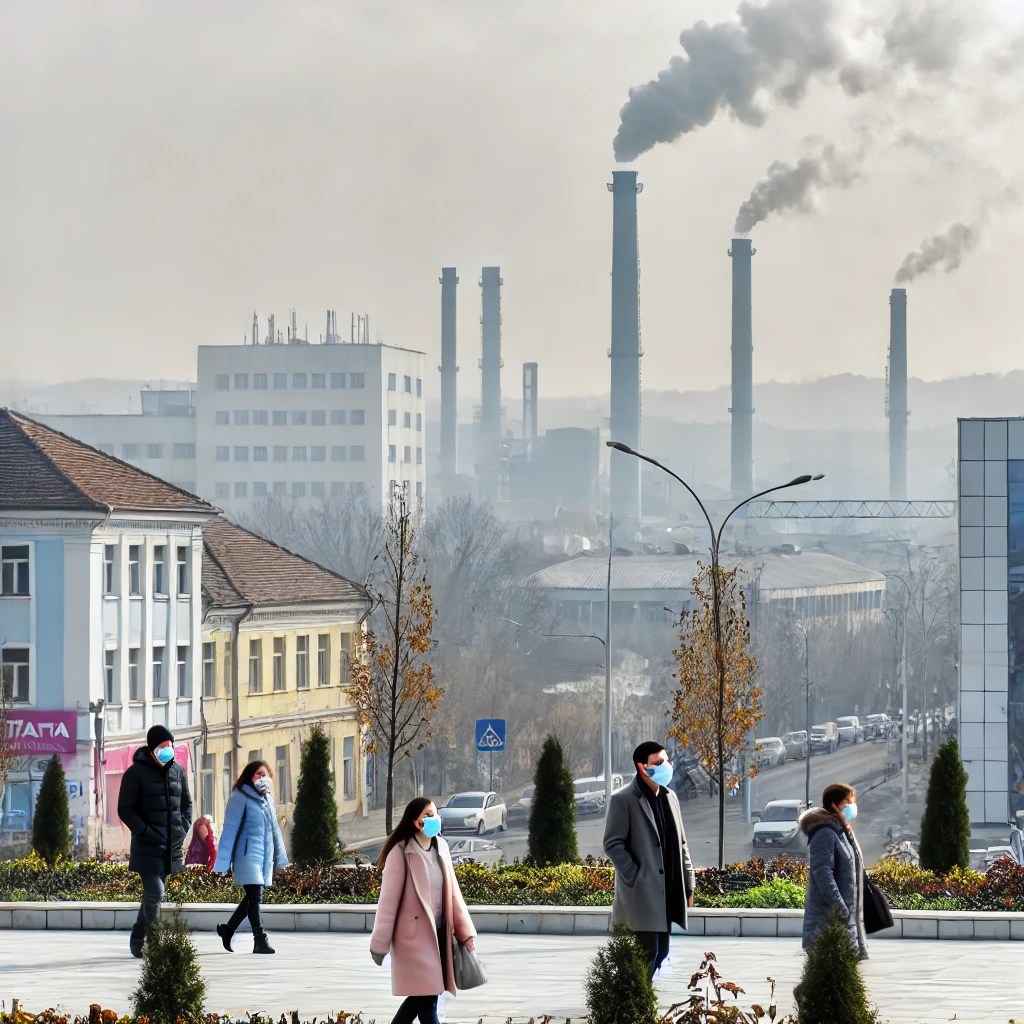
Air pollution is not just an environmental problem—it’s a serious public health concern. In Romania, the quality of the air can seriously affect people’s health.

What’s Polluting Romania’s Air?
Air pollution affects everyone in Romania. Urban areas suffer most from traffic and industrial emissions, while rural areas face pollution from residential heating and agricultural activities. Some of the major contributors are:
- Traffic: In cities, vehicle emissions—especially nitrogen dioxide (NO2), particulate matter (PM), and volatile organic compounds (VOCs)—play a significant role in air pollution.
- Energy sector: Romania still relies heavily on coal-fired power plants, which pump out sulfur oxides (SOx), contributing to acid rain and long-term environmental damage.
- Industry: Iron and steel production and other industries release heavy metals and harmful chemicals into the air.
- Agriculture: Agriculture plays a significant role in air pollution, particularly in rural areas. Fertilizer use and livestock farming release ammonia (NH3), which reacts with other pollutants to form fine particulate matter (PM2.5).
- Residential heating: In winter, many households burn firewood to keep warm, and that can release fine particulate matter (PM2.5) into the air, especially in rural areas where energy efficiency is low.
The Dangers of Air Pollution: How Does It Affects People’s Health?
You might be wondering, “Why should I care about air pollution?” The reality is that air pollution is a silent killer. Estimates from the European Environment Agency suggest that over 26.000 premature deaths annually in Romania are linked to prolonged exposure to harmful pollutants like PM2.5, NO2, and O3, with most of these deaths occurring in urban areas.
Exposure to pollutants like PM2.5 and NO2 leads to chronic respiratory and cardiovascular diseases. Ozone (O3), a ground-level pollutant, can cause immediate respiratory irritation, worsen asthma, and other lung conditions, with both short-term and long-term exposure posing health risks. Though ozone levels often peak in hot summer months, its impact can be felt year-round.
Is Romania Making Progress on Air Pollution?
There’s light at the end of the tunnel. Romania has made strides in reducing some harmful pollutants, particularly sulfur dioxide (SO2) and nitrogen oxides (NOx). However, despite efforts to lower particulate matter (PM10 and PM2.5), many urban areas still exceed EU limits, and population exposure to PM2.5 remains a significant concern. Traffic remains a major culprit, and outdated air quality monitoring systems don’t always give a clear picture of the problem. Rural areas are also affected, but the lack of proper monitoring stations, outdated equipment, and inconsistent data collection make it difficult to assess the full impact of air pollution across the country.
How Can Romania Tackle Air Pollution for a Healthier Future?
To improve air quality and protect public health, several steps need to be taken:
- Better Monitoring: While Romania has made efforts to modernize its air quality monitoring system, particularly in larger cities, gaps still exist, especially in rural areas. More comprehensive and up-to-date monitoring is needed to fully assess the country’s air quality.
- Data Transparency: There’s a need for clearer, more accessible data on air quality. This would help people make informed decisions about their health.
- Stronger Local Policies: Cities and towns need to adopt low-emission zones, expand green public transportation options, and implement stricter regulations on industrial emissions to effectively address local air quality issues.
- Public Awareness: Many people may not fully understand the health risks they face from poor air quality. By making this information more accessible, individuals can make informed choices, advocate for better policies, and encourage the government to take meaningful steps toward improving air quality.
What Can You Do?
While solving air pollution requires large-scale government policies and industry changes to reduce overall pollution levels, every individual can also help by reducing their emissions. Here’s what you can do to help:
- Stay Informed: Keep an eye on local air quality reports and take precautions on high-pollution days, especially if you or your loved ones have respiratory conditions.
- Reduce Your Footprint: Walk, cycle, or use public transportation whenever possible. The fewer cars on the road, the cleaner the air we all breathe.
- Be Energy Smart: If you use firewood for heating, consider upgrading to more energy-efficient appliances. Using less energy at home can reduce the pollution that comes from power plants.
- Spread the Word: Share information with your community. The more people know about air pollution, the more pressure there will be for change.
Romania Can Breathe Cleaner Air!
Air pollution might seem like an overwhelming problem, but change is possible. By advocating for better air quality monitoring, stronger environmental policies, greater data transparency, and making conscious choices in daily life, Romanians can protect their health and pave the way for a cleaner, healthier future for generations to come.
Additional Resources
Want to learn more? Check out these links:


 planetsync.blog
Leave a comment