

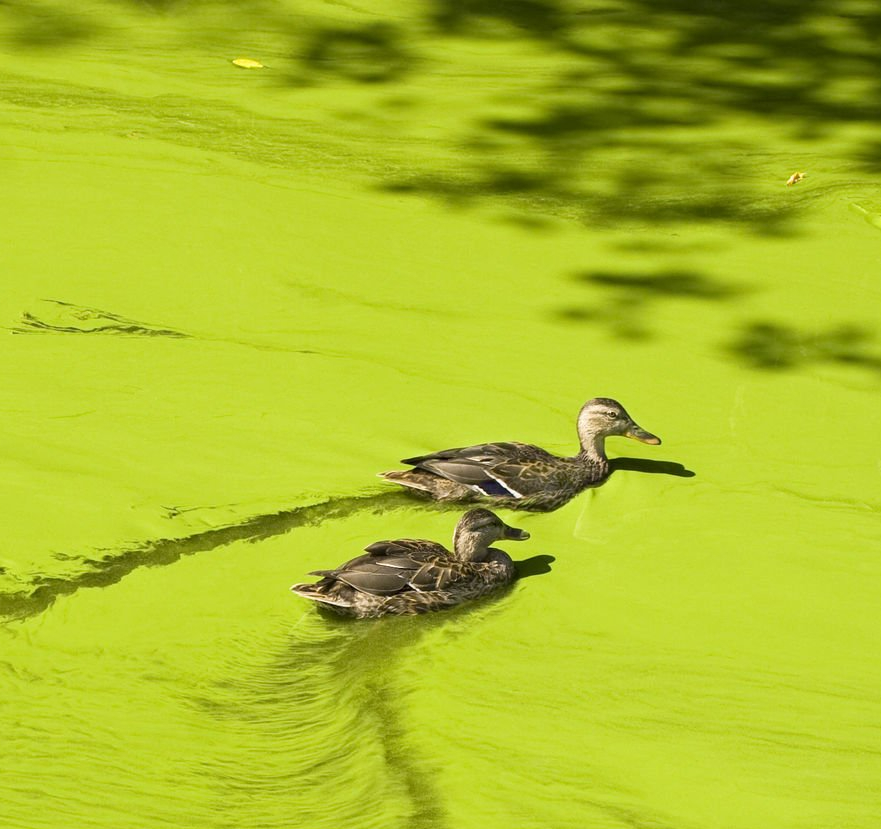
In Morocco, where water is as essential as it is scarce, pollution threatens not just the environment, but the health and livelihoods of millions. Some rivers that once nourished farms and communities now carry a cocktail of industrial waste, agricultural runoff, and untreated sewage. The breathtaking coastline, a magnet for tourists, faces contamination that could cripple the country’s thriving tourism industry. What’s polluting Morocco’s water, and more importantly—what can be done to save it?
Need the Gist? Check out the infographic below for a quick, visual summary of the key points!

What’s Polluting Morocco’s Water?
Water pollution in Morocco stems from multiple sources, and each contributes significantly to the degradation of ecosystems.
Industrial and Agricultural Waste
Factories and farms are central to Morocco’s economy, but they also pour harmful chemicals, pesticides, and fertilizers into rivers and groundwater. In phosphate mining regions, like the Oued Tensift River basin, pollution is particularly acute, with heavy metals contaminating vital water supplies.
Urbanization
Rapid urban growth, particularly in major cities like Casablanca, Rabat, and Tangier, has outpaced the capacity of wastewater treatment facilities. This has resulted in untreated or poorly treated wastewater being discharged into rivers and coastal waters. Urbanization has also increased solid waste disposal issues, leading to plastic and organic waste polluting waterways. The lack of modern sewage systems in some urban areas exacerbates this problem, posing a risk to human health by spreading waterborne diseases.
Tourism
While tourism is a key driver of Morocco’s economy, it also contributes to water pollution, particularly in coastal areas such as Agadir, Essaouira, and Marrakech. Increased tourism leads to higher waste generation, and improper waste disposal practices result in plastic pollution and litter in beaches, rivers, and other natural attractions. This not only affects the aesthetic value of tourist destinations but also threatens marine and coastal ecosystems.
Climate Change
Morocco is highly vulnerable to the impacts of climate change, which exacerbates water pollution in several ways. Reduced rainfall and prolonged droughts reduce water flow, concentrating pollutants in rivers and lakes. Higher temperatures also lead to the proliferation of harmful algal blooms, particularly in stagnant water bodies, depleting oxygen levels and affecting aquatic ecosystems. However, climate change alone is not the primary driver of water pollution; rather, it intensifies the challenges posed by existing pollution sources.
The Impact on Ecosystems
Water pollution in Morocco has far-reaching consequences, not only on water quality but also on entire ecosystems, biodiversity, and human health.
Coastal Areas
Morocco’s coastline, stretching over 3.500 km, is home to diverse marine life, including vulnerable species such as sea turtles and important fish stocks. Pollution from plastics, untreated wastewater, and chemical runoff from agriculture threatens these ecosystems. This pollution can disrupt coral reefs, harm marine animals, and affect the livelihoods of local fishing communities.
Rivers and Lakes
Rivers like the Sebou and Moulouya, essential for irrigation and drinking water, are under constant stress from pollutants such as agricultural runoff, industrial waste, and sewage. Algal blooms, fueled by nutrient overload from fertilizers, deplete oxygen levels in water bodies, suffocating aquatic life.
Wetlands and Oases
These delicate ecosystems are natural water filters, but pollutants, particularly from agricultural runoff, are destroying their capacity to clean water. This impacts not just the plants and animals that call wetlands home, but also nearby human communities that rely on clean water.
What’s Being Done and What Can Be Done Better?
While Morocco has made progress in addressing water pollution, there is still significant work to be done. Several measures are either being implemented or recommended to tackle the issue more effectively.
Enforcing Environmental Regulations
While Morocco has environmental regulations in place, enforcement remains weak in some sectors. Strengthening regulatory oversight and ensuring industries comply with waste management protocols is essential. Monitoring and penalties for non-compliance must be applied consistently to ensure industries and municipalities do not release untreated waste into water bodies.
Improving Infrastructure
Investment in wastewater treatment infrastructure is critical, particularly in rapidly urbanizing areas. Morocco has made strides in expanding access to clean water and sanitation, but many wastewater treatment plants remain outdated or underutilized. New and upgraded facilities are needed to prevent untreated sewage from entering rivers, lakes, and coastal areas. Expanding sewage networks to underserved urban and rural areas is also vital.
Promoting Sustainable Agriculture
Agricultural pollution can be mitigated by encouraging more sustainable farming practices. Reducing the use of chemical fertilizers and pesticides, implementing soil conservation techniques, and promoting organic farming methods would help reduce agricultural runoff into rivers and groundwater. Additionally, better management of irrigation systems could prevent excessive water use and further pollution.
Public Awareness and Engagement
Community involvement and education are essential for long-term water resource protection. Public awareness campaigns focusing on water conservation, pollution prevention, and proper waste disposal can mobilize local communities to play a more active role in safeguarding their water sources. Involving citizens in monitoring local water quality and advocating for cleaner practices can foster a culture of environmental stewardship.
The Time to Act is Now
Water pollution in Morocco is not just an environmental issue—it poses a direct threat to public health, the economy, and the country’s biodiversity. Immediate action is needed to ensure that water resources are protected, ecosystems are preserved, and future generations can continue to benefit from Morocco’s natural beauty. Addressing the problem will require coordinated efforts from the government, industries, local communities, and international partners.
By prioritizing sustainable development, enforcing environmental laws, and investing in cleaner infrastructure, Morocco can safeguard its water resources for years to come.


 planetsync.blog
Leave a comment