


In the previous article, The Uneven Road to Sustainability: Key Findings on Climate, Water, and Environment, we explored how nations vary widely in their environmental sustainability progress and how relative specialization can reveal hidden strengths and blind spots. The next and more urgent question is: what must we do to close these sustainability gaps and build a more equitable global future?
Drawing on the study “The Disparities and Development Trajectories of Nations in Achieving the Sustainable Development Goals” (Ma et al., 2025), this article examines critical next steps. These range from rethinking economic models and consumption patterns to strengthening global cooperation and addressing neglected areas of development. Achieving the Sustainable Development Goals (SDGs) requires more than tracking performance, it demands bold, coordinated action and a willingness to rethink our approach to sustainability in a rapidly changing world.
Need the Gist? Swipe through the visuals below for a quick summary!


What Needs to Happen?
Addressing the “Orphaned” Indicators
The study identifies “orphaned” indicators, SDG indicators that are under-specialized by countries, often as they progress through different stages of development. These indicators may become deprioritized due to shifting policy priorities, economic transitions, or structural trade patterns.
Governments and policymakers need to anticipate these transitions and implement adaptive policies to prevent setbacks when nations transition between development stages. Without proactive planning, progress in one area may lead to regression in another, creating long-term trade-offs.
Balancing Economic Growth with Environmental Responsibility
Historically, industrialization has often led to increased environmental degradation, as economic growth typically comes with a larger ecological footprint. The Environmental Kuznets Curve suggests that environmental degradation tends to rise with economic development initially but may eventually decline as countries adopt cleaner technologies and implement stronger environmental policies.
Today, one thing is clear: economic expansion can either drive sustainability or worsen environmental decline, depending on how it is managed. To ensure that growth is sustainable, countries must invest in cleaner technologies, promote circular economies, and implement sustained policies that decouple economic progress from environmental harm.
Rethinking Consumption Patterns in High-Income Countries
The study highlights that as global affluence rises, resource consumption and pollutant emissions are increasing at a faster rate than technological advancements can offset. This environmental burden is primarily driven by affluent citizens, whose consumption patterns significantly contribute to global ecological strain.
To counter this, high-income nations must transition to sustainable production systems and adopt responsible consumption practices. A critical focus for these countries should be reducing the environmental impact of their imports, particularly as they often outsource production to lower-SDG-score nations, leading to environmental degradation in these regions. At the same time, emerging economies must address the challenges of rising consumption and waste generation as they develop. Without urgent action to curb overconsumption and its environmental consequences, global sustainability efforts risk being undermined, even as progress is made in other areas of the SDGs.
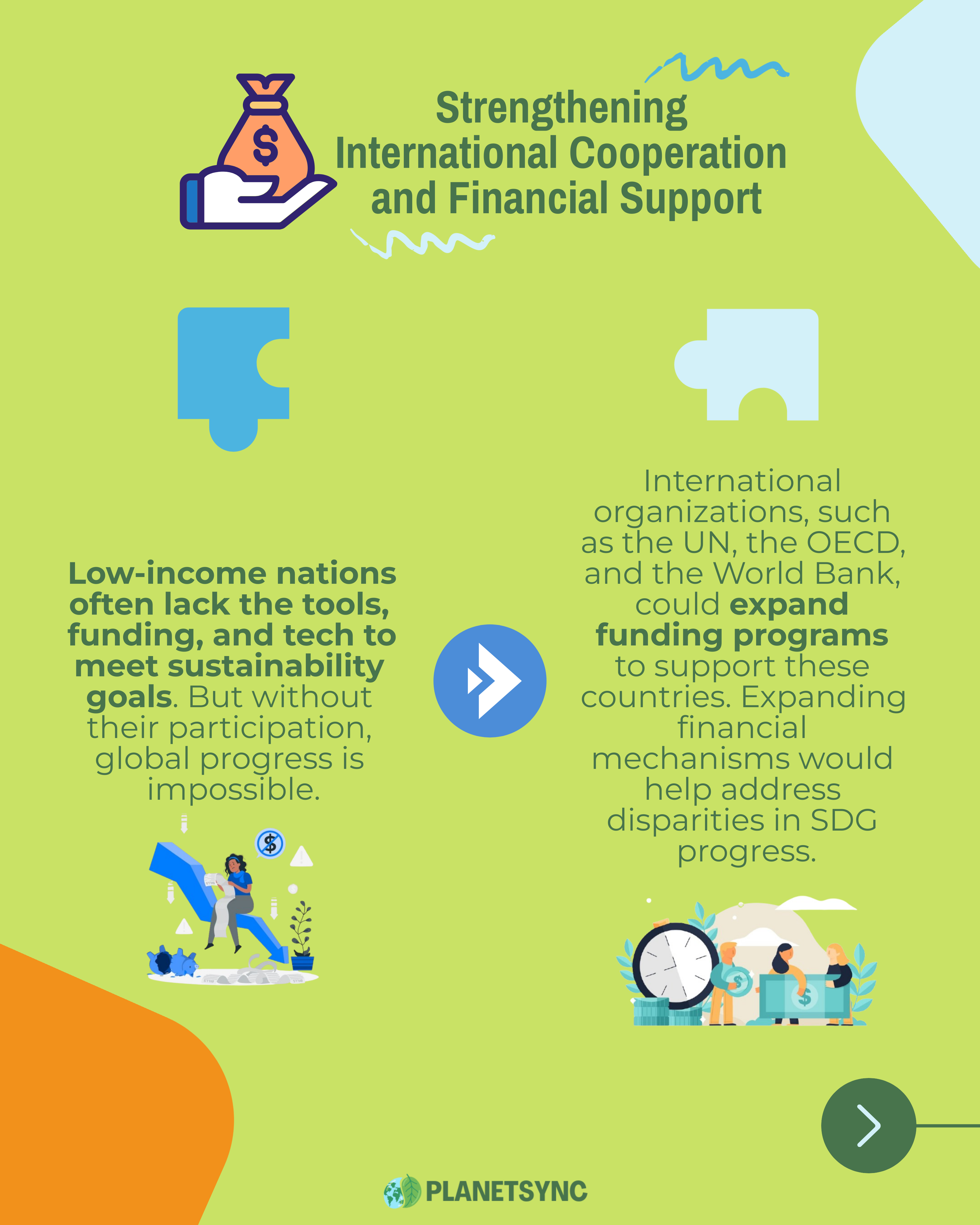
Strengthening International Cooperation and Financial Support
Low-income nations often lack the financial and technological capacity to implement sustainable policies effectively. International organizations, such as the United Nations, the OECD, and the World Bank, could expand funding programs to support these countries. Expanding financial mechanisms, such as the Global Biodiversity Framework Fund and the Clean Energy Finance and Investment Mobilization Program, could help address disparities in SDG progress. Without financial assistance and knowledge-sharing, many developing nations will struggle to achieve sustainability goals.
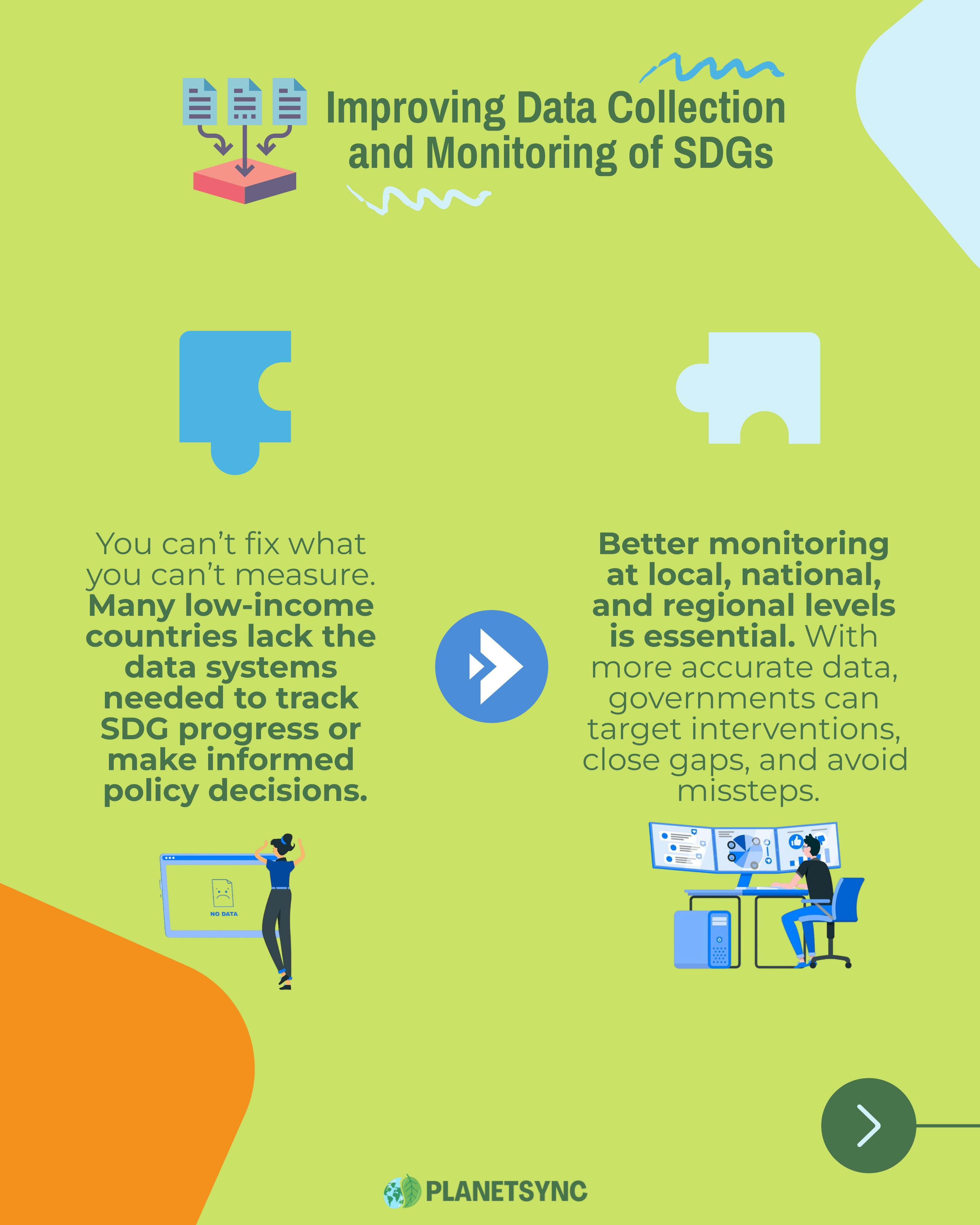
Improving Data Collection and Monitoring of SDGs
Accurate and comprehensive data collection is critical for tracking SDG progress and identifying areas that require urgent attention. Many low-income countries face significant data gaps that hinder effective decision-making. Without improved monitoring mechanisms, governments and international bodies will lack the necessary insights to drive targeted interventions. Policymakers should integrate regional and national-level data to define and implement more precise sustainability strategies.
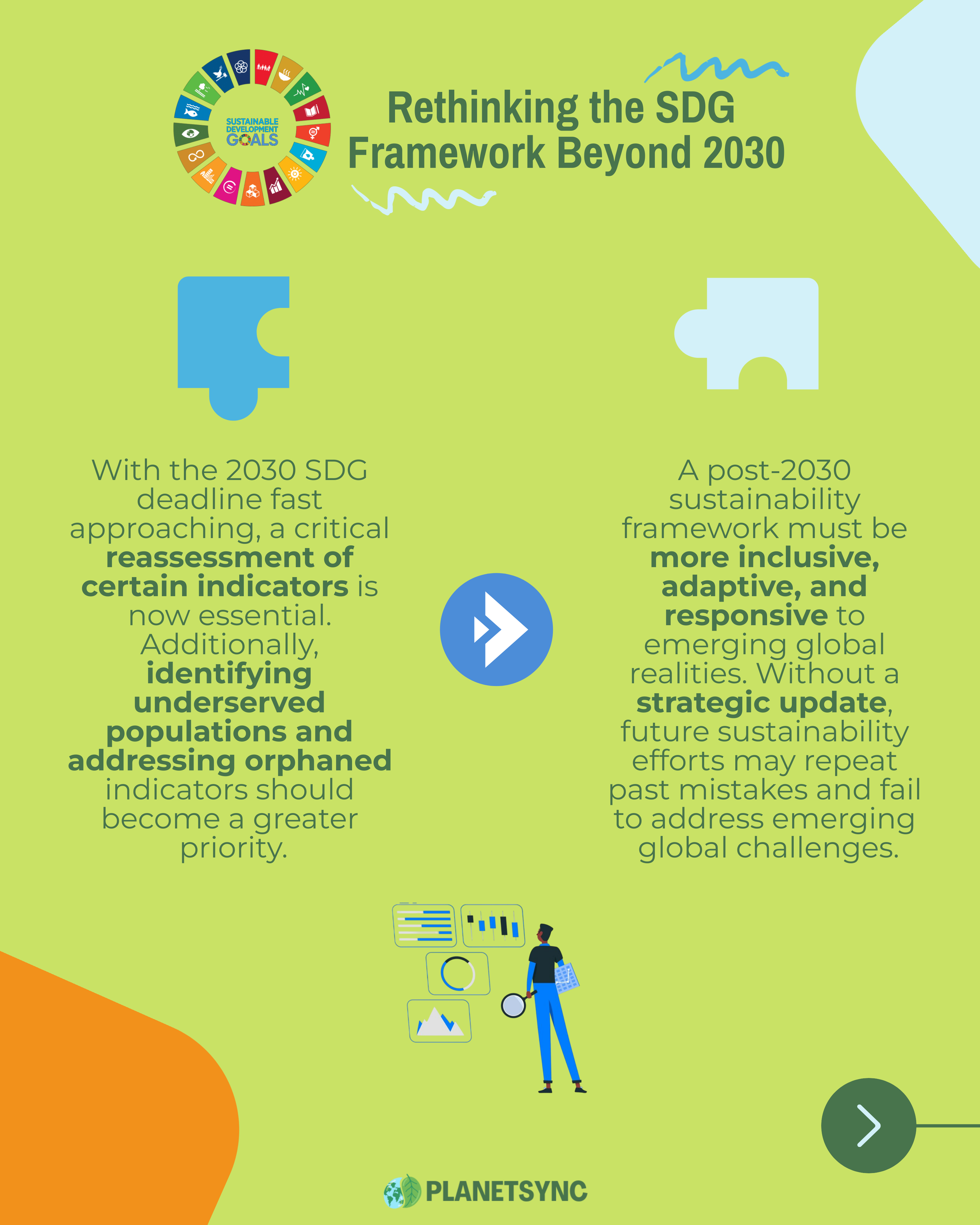
Rethinking the SDG Framework Beyond 2030
As the 2030 deadline for the SDGs approaches, global leaders must assess the effectiveness of the current framework and prepare for the next phase. Some SDG indicators require reassessment to ensure a more comprehensive approach. Additionally, identifying underserved populations and addressing orphaned indicators should become a greater priority. Without a strategic update, future sustainability efforts may repeat past mistakes and fail to address emerging global challenges.
Can We Achieve a More Equitable Sustainability Future?
While some countries are moving toward sustainability at an impressive rate, others remain stuck in vicious cycles of environmental and economic challenges. Bridging these disparities is essential for global stability and resilience.
The challenge ahead is clear: will we act proactively to narrow these disparities, or allow them to persist, making sustainable progress more difficult?
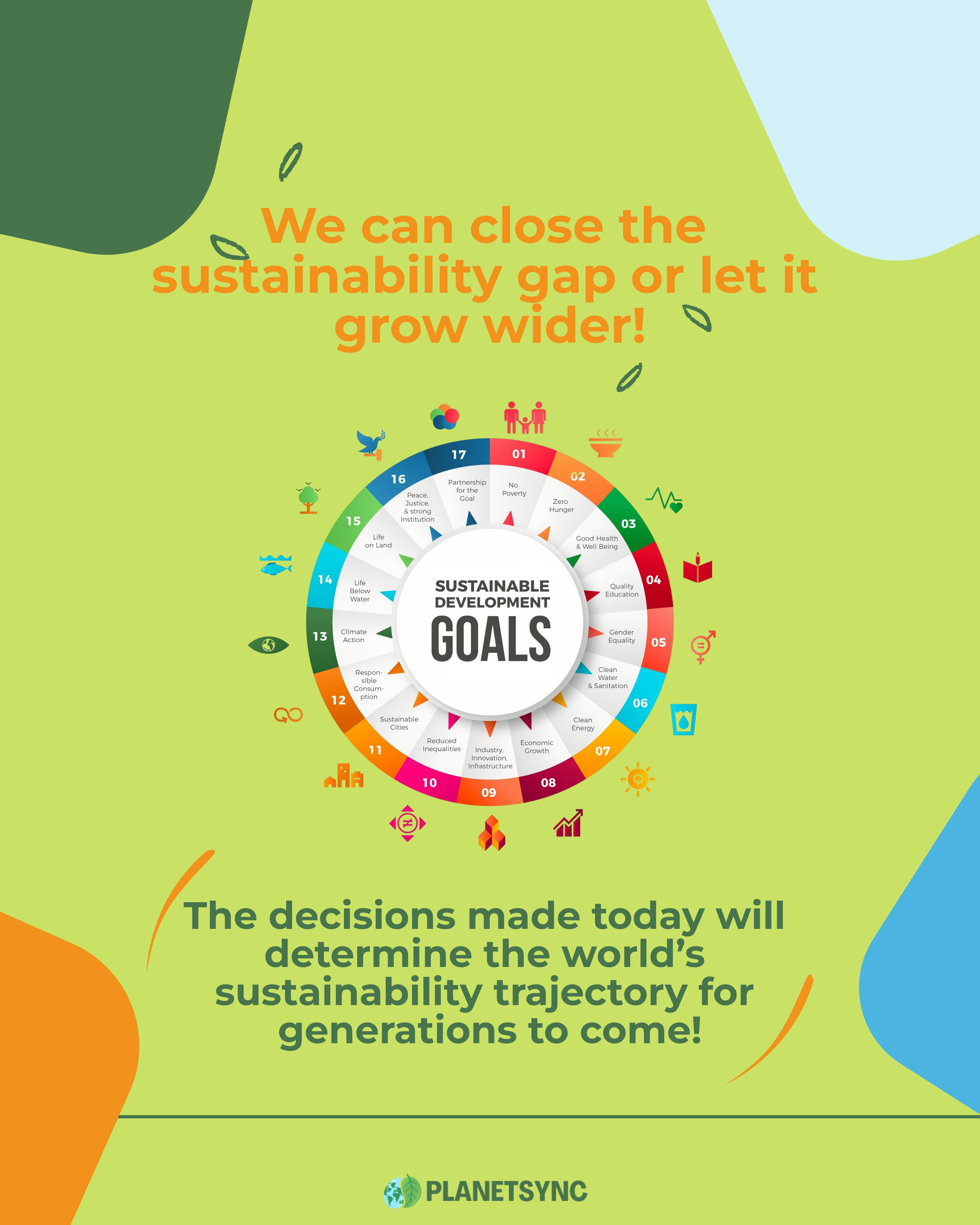
Time is running out. The decisions made today will determine the world’s sustainability trajectory for generations to come.


 planetsync.blog
Leave a comment