


In my previous article, “What Are Microplastics, and Why Are They in Our Water?“, we examined how microplastics enter tap and bottled water, their concentrations, the challenges associated with their detection, and practical strategies to reduce exposure. However, environmental presence alone does not capture the full extent of this issue.
This article focuses on a more direct concern: Are microplastics also present inside the human body?
Recent studies have reported the detection of plastic particles in various human tissues and biological fluids, including blood, lung tissue, placental tissue, and the gastrointestinal tract. While the potential health implications of their exposure remain under investigation, current research is beginning to characterize their biological distribution and possible interactions with cells and tissues. This article summarizes current evidence regarding the presence of microplastics in the human body.
Need the Gist? Swipe through the visuals below for a quick summary!


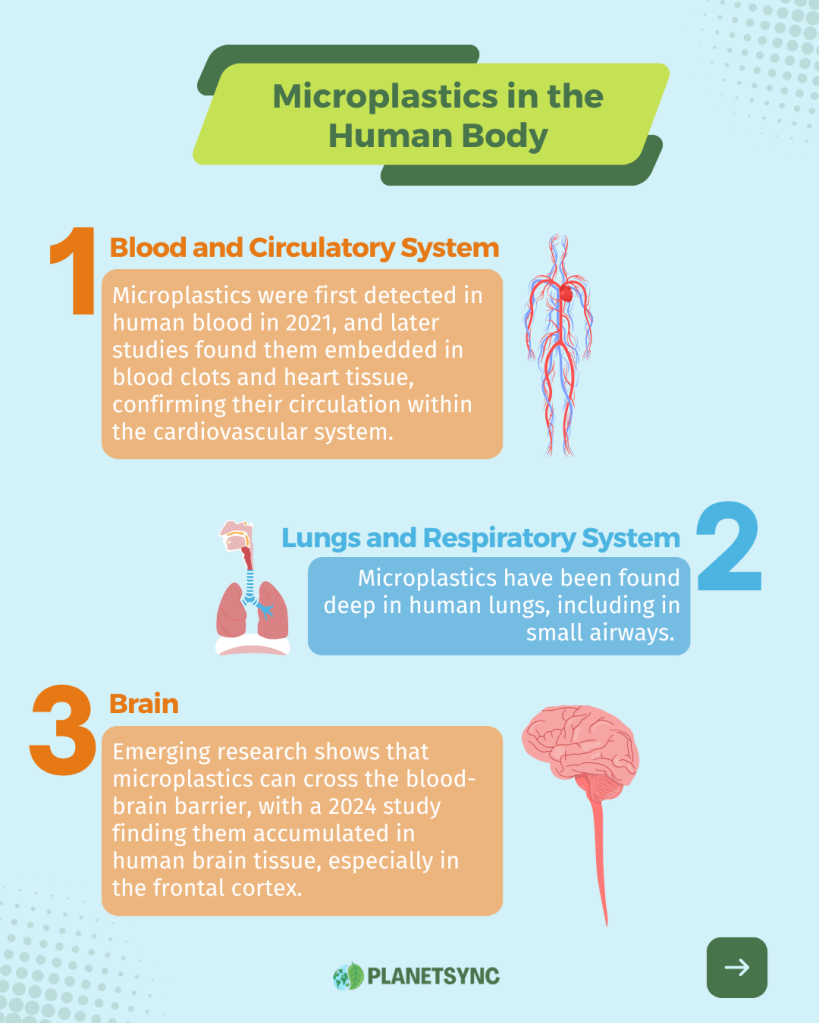
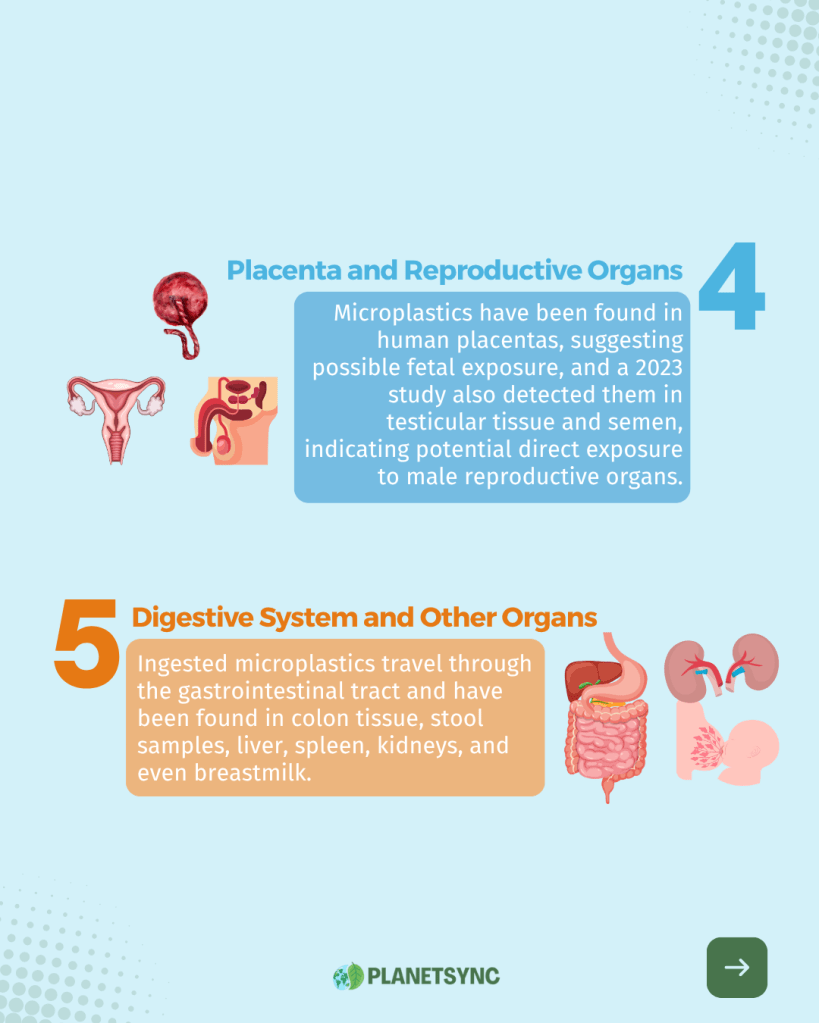
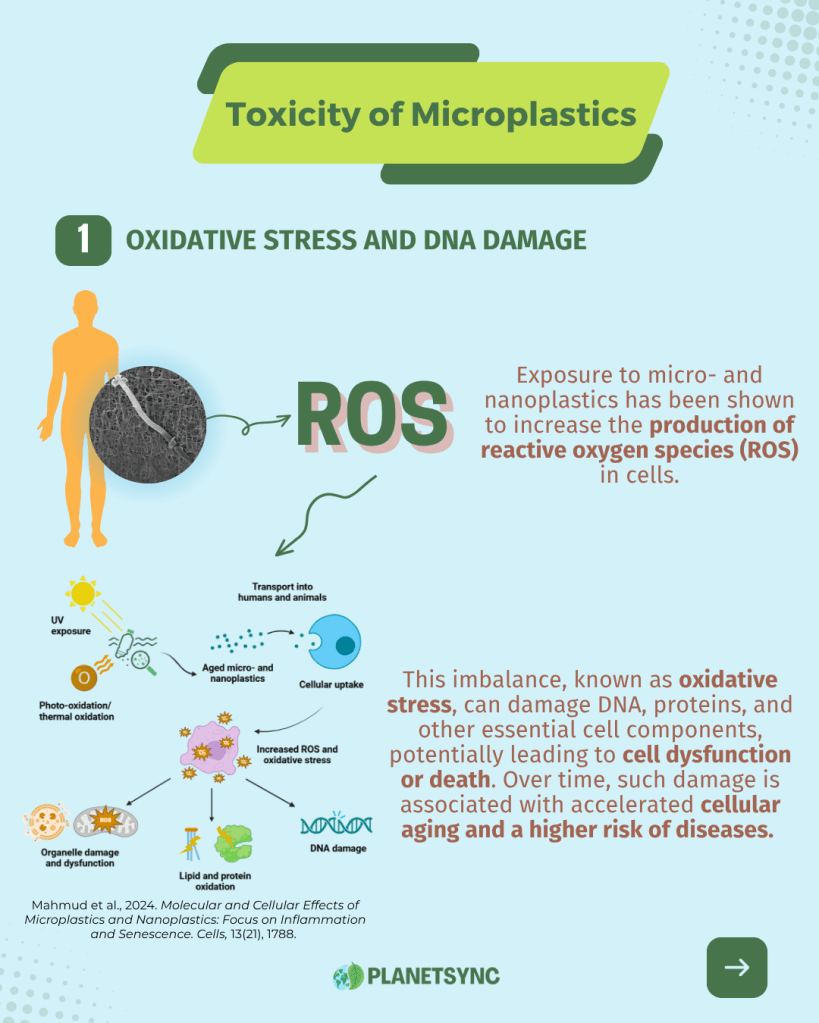
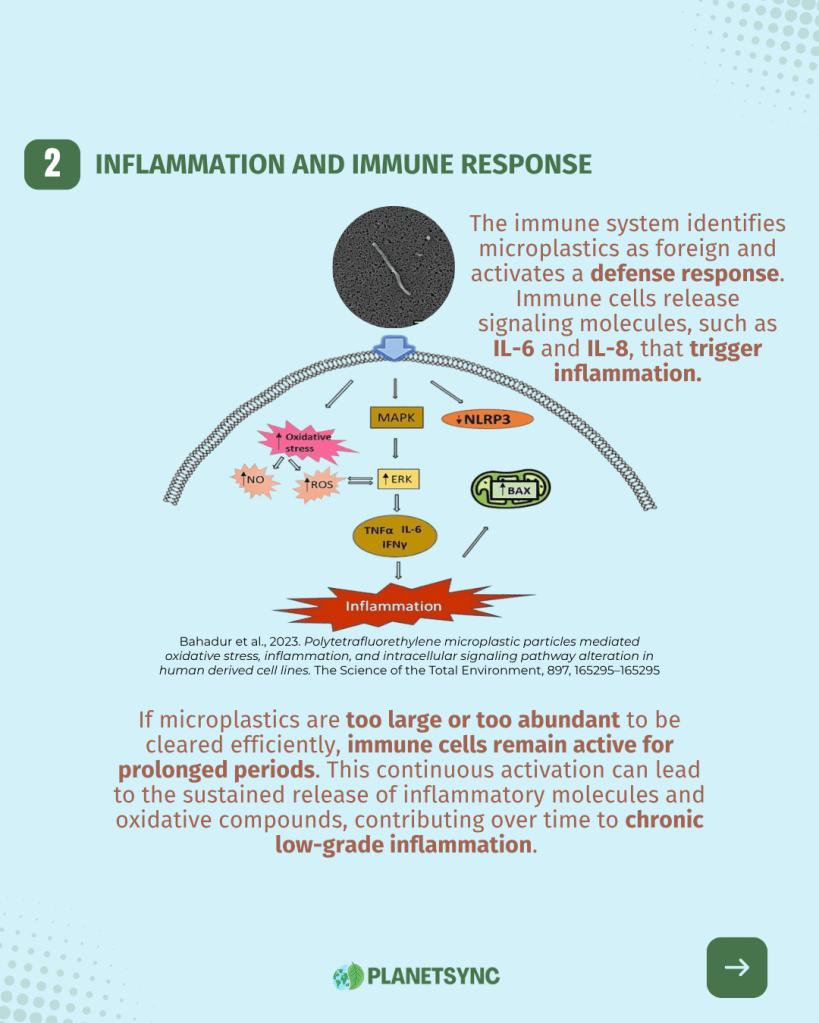

Evidence of Microplastics in the Human Body
Multiple studies confirm that microplastics are present in a wide range of human tissues and bodily fluids.
Blood and Circulatory System
In 2021, a Dutch study found microplastics in human blood for the first time. Researchers tested 22 healthy volunteers and detected plastic particles in 77% of blood samples. The most common types were PET (from water bottles) and polystyrene (from food packaging), proving that microplastics can enter the bloodstream.
Microplastics have also been found embedded in blood clots (thrombi) and even in tissues of the cardiovascular system. A 2023 study found microplastics in heart tissue samples from patients undergoing cardiac surgery. Microplastics were present in both pre- and post-surgery blood samples as well, highlighting their circulation through the vascular system.
Lungs and Respiratory System
Microplastics have been found deep in human lungs, including in small airways. A 2022 study detected microplastics in 11 out of 13 lung tissue samples from living patients. Polypropylene and PET fragments were the most common, showing that inhaled microplastics can evade the body’s natural clearance mechanisms and deposit in lung tissue.
Brain
Emerging evidence suggests that microplastics can reach the brain. A 2024 study analyzed autopsy samples and found that micro- and nanoplastics accumulate in human brain tissue, particularly the frontal cortex. The findings suggest that plastic particles may cross the blood-brain barrier and selectively build up in brain tissue.
Placenta and Reproductive Organs
Microplastics have been found in human placental tissue, raising concerns about fetal exposure. A 2021 study, dubbed “Plasticenta,” found microplastics in placentas collected after delivery. Scientists believe these particles may come from maternal inhalation or ingestion during pregnancy and could potentially cross the placental barrier into the fetus.
In 2023, researchers detected microplastics in testicular tissue and semen, indicating potential direct exposure to male reproductive organs.
Digestive System and Other Organs
Ingested microplastics travel through the gastrointestinal tract and have been found in colon tissue, stool samples, liver, spleen, kidneys, and even breastmilk. Studies show that some particles are excreted, but others may accumulate in organs.
Toxicity of Microplastics
Once inside the body, microplastics can interact with cells and tissues, triggering various biological responses.
Oxidative Stress and DNA Damage
A consistent finding is that micro- and nanoplastic exposure leads to excessive production of reactive oxygen species (ROS) in cells. Think of ROS like tiny, energetic molecules. They are essential in small amounts for normal cell function but harmful when overproduced. When ROS levels become too high, they create “oxidative stress”, a biochemical imbalance that overwhelms the cell’s defense systems. This stress can damage vital macromolecules, including DNA, proteins, and lipids, potentially leading to cell dysfunction or death. Over time, oxidative damage is linked to accelerated cellular aging and an increased risk of diseases (e.g. cancer or neurodegeneration).
The size of plastic particles matters. Nanoplastics (<1 μm) are more easily absorbed by cells and can penetrate deep into organelles, key structures within cells, where they may cause even more severe oxidative damage compared to larger microplastics.
Inflammation and Immune Response
Research suggests that microplastics can provoke persistent inflammatory responses in the body. When exposed to these particles, the immune system reacts as it would to any foreign substance, activating immune cells that release pro-inflammatory molecules (e.g. IL-6 and IL-8), along with inflammatory mediators. These molecules signal the body to mount a defense, leading to inflammation.
A key issue arises when immune cells attempt to engulf and break down microplastics through phagocytosis. If the particles are too large or too abundant, the process results in prolonged immune activation, where cells continuously release inflammatory mediators, including enzymes and reactive molecules that can cause oxidative stress.
Over time, chronic low-level inflammation triggered by retained microplastics has been proposed as a contributing factor to tissue damage.
Cellular Damage, Apoptosis, and Senescence
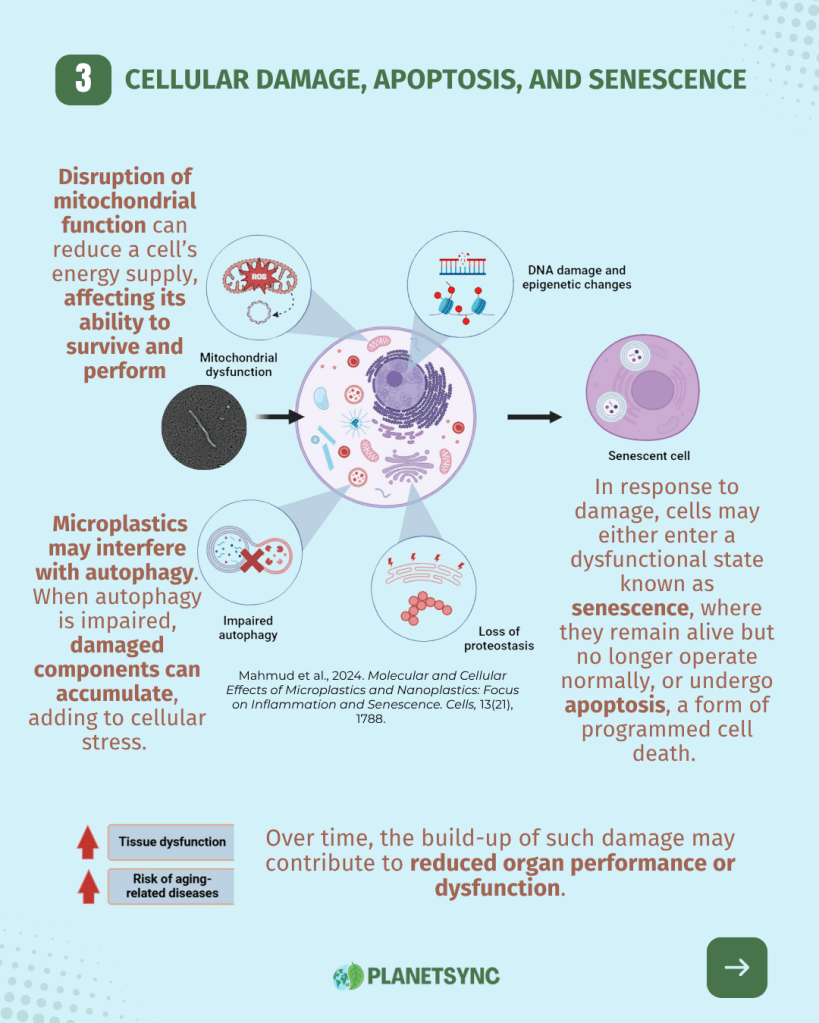
Research indicates that prolonged or high exposure to microplastics can injure cells to the point of dysfunction or death. Studies have shown that microplastics can disrupt key cellular structures, including mitochondria, which are essential for energy production. This disruption can lead to mitochondrial dysfunction, reducing a cell’s ability to generate energy.
Microplastics have also been linked to altered autophagy, the process cells use to remove damaged components. If this system is disrupted, damaged cells may accumulate, increasing stress within tissues.
In response to severe cellular damage, some cells may enter premature senescence, where they remain alive but lose their ability to function properly. In other cases, the severe damage may trigger apoptosis, a form of programmed cell death. Over time, the accumulation of cellular damage may contribute to organ dysfunction.
Chemical and Molecular Interactions
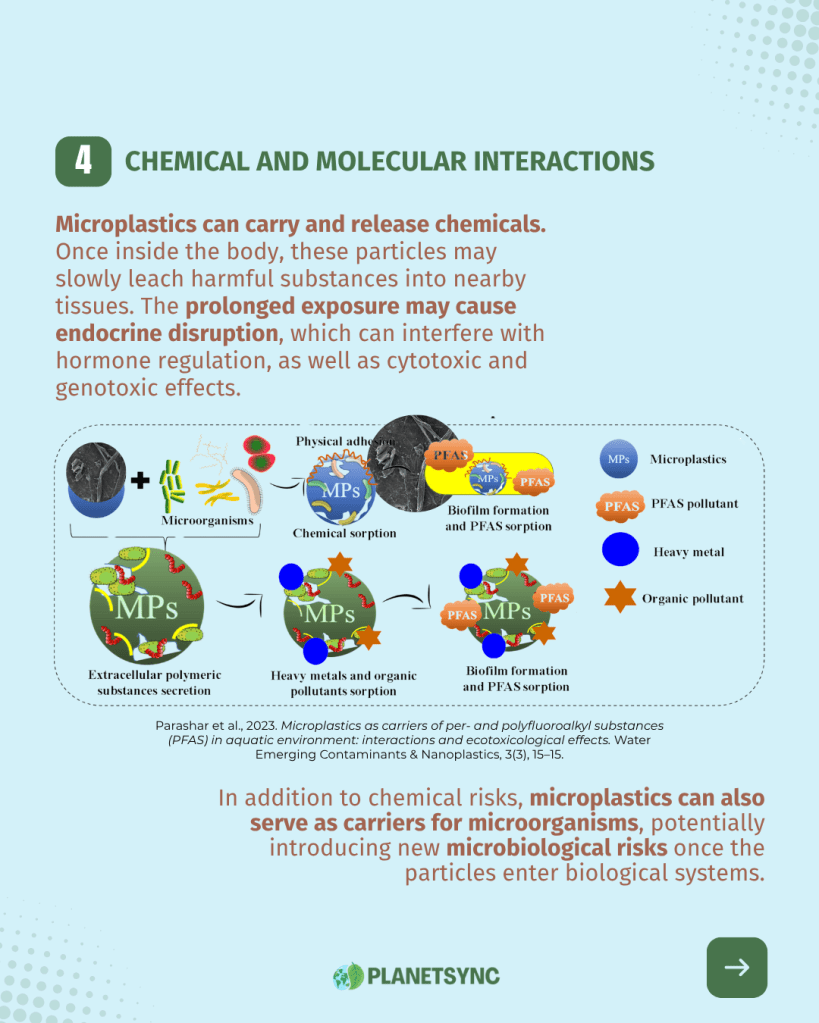
Microplastics can carry and leach toxic substances, both from the chemicals used in their production and from environmental pollutants they can accumulate. Once microplastics enter the body and become embedded in tissues, they may serve as a Trojan horse, gradually releasing the chemicals locally. The prolonged exposure may cause endocrine disruption, which can interfere with hormone regulation, as well as cytotoxic (cell-damaging) and genotoxic (DNA-damaging) effects from the pollutants they carry.
Beyond chemical toxicity, microplastics may also facilitate microbiological risks, as some can serve as vectors for microorganisms that adhere to their surfaces.
What We Know So Far and the Critical Questions That Remain
The discovery of microplastics in human tissues marks an important shift in our understanding of plastic pollution: it’s no longer just an environmental issue but a human one. Evidence indicates that these particles can persist within the body and interact with biological systems, potentially triggering various cellular and immune responses.
Now the next critical question is: could microplastics contribute to the development of disease?
That’s the focus of my next article, where we’ll explore possible links between microplastic exposure and chronic conditions such as metabolic disorders, cardiovascular disease, reproductive challenges, and neurological decline. As the research progresses, separating correlation from causation will be essential, but early findings already suggest that our exposure to microplastics may be more than just passive.
References & Resources
- An Innovative Analytical Platform to Investigate the Effect and Toxicity of Micro and Nano Plastics Combined with Environmental Contaminants on The Risk of Allergic Disease in Preclinical and Clinical. Imptox Project. Fact Sheet. H2020. (n.d.). CORDIS | European Commission.
- Bora, S. S., Gogoi, R., Sharma, M. R., Anshu, Borah, M. P., Deka, P., Bora, J., Naorem, R. S., Das, J., & Teli, A. B. (2024). Microplastics and human health: Unveiling the gut microbiome disruption and chronic disease risks. Frontiers in Cellular and Infection Microbiology, 14, 1492759. https://doi.org/10.3389/fcimb.2024.1492759
- Campen, M., Nihart, A., Garcia, M., Liu, R., Olewine, M., Castillo, E., Bleske, B., Scott, J., Howard, T., Gonzalez-Estrella, J., Adolphi, N., Gallego, D., & Hayek, E. E. (2024). Bioaccumulation of Microplastics in Decedent Human Brains Assessed by Pyrolysis Gas Chromatography-Mass Spectrometry. Research Square, rs.3.rs-4345687. https://doi.org/10.21203/rs.3.rs-4345687/v1
- Dietary and inhalation exposure to nano- and microplastic particles and potential implications for human health. (n.d.).
- Foss Hansen, S., Hernandez Bonilla, A., & Mata Marcano, V. (2024). CUSP Policy Brief 2 – Micro and Nanoplastics and Public Health: A Reasonable Concern.
- Garcia, M. A., Liu, R., Nihart, A., El Hayek, E., Castillo, E., Barrozo, E. R., Suter, M. A., Bleske, B., Scott, J., Forsythe, K., Gonzalez-Estrella, J., Aagaard, K. M., & Campen, M. J. (2024). Quantitation and identification of microplastics accumulation in human placental specimens using pyrolysis gas chromatography mass spectrometry. Toxicological Sciences, 199(1), 81–88. https://doi.org/10.1093/toxsci/kfae021
- Horvatits, T., Tamminga, M., Liu, B., Sebode, M., Carambia, A., Fischer, L., Püschel, K., Huber, S., & Fischer, E. K. (2022). Microplastics detected in cirrhotic liver tissue. EBioMedicine, 82, 104147. https://doi.org/10.1016/j.ebiom.2022.104147
- Hu, C. J., Garcia, M. A., Nihart, A., Liu, R., Yin, L., Adolphi, N., Gallego, D. F., Kang, H., Campen, M. J., & Yu, X. (2024). Microplastic presence in dog and human testis and its potential association with sperm count and weights of testis and epididymis. Toxicological Sciences, 200(2), 235–240. https://doi.org/10.1093/toxsci/kfae060
- Ibrahim, Y. S., Tuan Anuar, S., Azmi, A. A., Wan Mohd Khalik, W. M. A., Lehata, S., Hamzah, S. R., Ismail, D., Ma, Z. F., Dzulkarnaen, A., Zakaria, Z., Mustaffa, N., Tuan Sharif, S. E., & Lee, Y. Y. (2021). Detection of microplastics in human colectomy specimens. JGH Open: An Open Access Journal of Gastroenterology and Hepatology, 5(1), 116–121. https://doi.org/10.1002/jgh3.12457
- Innovative tools to study the impact and mode of action of micro and nanoplastics on human health: Towards a knowledge base for risk assessment. PLASTICHEAL Project. Fact Sheet. H2020. (n.d.). CORDIS. European Commission.
- Jenner, L. C., Rotchell, J. M., Bennett, R. T., Cowen, M., Tentzeris, V., & Sadofsky, L. R. (2022). Detection of microplastics in human lung tissue using μFTIR spectroscopy. Science of The Total Environment, 831, 154907. https://doi.org/10.1016/j.scitotenv.2022.154907
- Kadac-Czapska, K., Ośko, J., Knez, E., & Grembecka, M. (2024). Microplastics and Oxidative Stress—Current Problems and Prospects. Antioxidants, 13(5), 579. https://doi.org/10.3390/antiox13050579
- Lee, Y., Cho, J., Sohn, J., & Kim, C. (2023). Health Effects of Microplastic Exposures: Current Issues and Perspectives in South Korea. Yonsei Medical Journal, 64(5), 301–308. https://doi.org/10.3349/ymj.2023.0048
- Li, Y., Tao, L., Wang, Q., Wang, F., Li, G., & Song, M. (2023). Potential Health Impact of Microplastics: A Review of Environmental Distribution, Human Exposure, and Toxic Effects. Environment & Health, 1(4), 249–257. https://doi.org/10.1021/envhealth.3c00052
- Mahmud, F., Sarker, D. B., Jocelyn, J. A., & Sang, Q.-X. A. (2024). Molecular and Cellular Effects of Microplastics and Nanoplastics: Focus on Inflammation and Senescence. Cells, 13(21), 1788. https://doi.org/10.3390/cells13211788
- Microplastics on Human Health: How much do they harm us? (n.d.). UNDP.
- Nihart, A. J., Garcia, M. A., El Hayek, E., Liu, R., Olewine, M., Kingston, J. D., Castillo, E. F., Gullapalli, R. R., Howard, T., Bleske, B., Scott, J., Gonzalez-Estrella, J., Gross, J. M., Spilde, M., Adolphi, N. L., Gallego, D. F., Jarrell, H. S., Dvorscak, G., Zuluaga-Ruiz, M. E., … Campen, M. J. (2025). Bioaccumulation of microplastics in decedent human brains. Nature Medicine. https://doi.org/10.1038/s41591-024-03453-1
- Plastics fate and effects in the human body. PlasticsFatE Project. Fact Sheet. H2020. (n.d.). CORDIS. European Commission.
- POLYRISK – Understanding human exposure and health hazard of micro- and nanoplastic contaminants in our environment. POLYRISK Project. Fact Sheet. H2020. (n.d.). CORDIS. European Commission.
- Ragusa, A., Notarstefano, V., Svelato, A., Belloni, A., Gioacchini, G., Blondeel, C., Zucchelli, E., De Luca, C., D’Avino, S., Gulotta, A., Carnevali, O., & Giorgini, E. (2022). Raman Microspectroscopy Detection and Characterisation of Microplastics in Human Breastmilk. Polymers, 14(13), Article 13. https://doi.org/10.3390/polym14132700
- Ragusa, A., Svelato, A., Santacroce, C., Catalano, P., Notarstefano, V., Carnevali, O., Papa, F., Rongioletti, M. C. A., Baiocco, F., Draghi, S., D’Amore, E., Rinaldo, D., Matta, M., & Giorgini, E. (2021). Plasticenta: First evidence of microplastics in human placenta. Environment International, 146, 106274. https://doi.org/10.1016/j.envint.2020.106274
- Roslan, N. S., Lee, Y. Y., Ibrahim, Y. S., Tuan Anuar, S., Yusof, K. M. K. K., Lai, L. A., & Brentnall, T. (n.d.). Detection of microplastics in human tissues and organs: A scoping review. Journal of Global Health, 14, 04179. https://doi.org/10.7189/jogh.14.04179
- Sharma, R. K., Kumari, U., & Kumar, S. (n.d.). Impact of Microplastics on Pregnancy and Fetal Development: A Systematic Review. Cureus, 16(5), e60712. https://doi.org/10.7759/cureus.60712
- WHO report on potential human health implications of microplastics. (2022, September 23). Food Packaging Forum
- Yan, Z., Liu, Y., Zhang, T., Zhang, F., Ren, H., & Zhang, Y. (2022). Analysis of Microplastics in Human Feces Reveals a Correlation between Fecal Microplastics and Inflammatory Bowel Disease Status. Environmental Science & Technology, 56(1), 414–421. https://doi.org/10.1021/acs.est.1c03924
- Yang, Y., Xie, E., Du, Z., Peng, Z., Han, Z., Li, L., Zhao, R., Qin, Y., Xue, M., Li, F., Hua, K., & Yang, X. (2023). Detection of Various Microplastics in Patients Undergoing Cardiac Surgery. Environmental Science & Technology, 57(30), 10911–10918. https://doi.org/10.1021/acs.est.2c07179
- Zarus, G. M., Muianga, C., Brenner, S., Stallings, K., Casillas, G., Pohl, H. R., Mumtaz, M. M., & Gehle, K. (2023). Worker studies suggest unique liver carcinogenicity potential of polyvinyl chloride microplastics. American Journal of Industrial Medicine, 66(12), 1033–1047. https://doi.org/10.1002/ajim.23540
- Zhao, Q., Zhu, L., Weng, J., Jin, Z., Cao, Y., Jiang, H., & Zhang, Z. (2023). Detection and characterization of microplastics in the human testis and semen. Science of The Total Environment, 877, 162713. https://doi.org/10.1016/j.scitotenv.2023.162713
- Zhu, L., Zhu, J., Zuo, R., Xu, Q., Qian, Y., & An, L. (2023). Identification of microplastics in human placenta using laser direct infrared spectroscopy. Science of The Total Environment, 856, 159060. https://doi.org/10.1016/j.scitotenv.2022.159060


 planetsync.blog
Leave a comment