


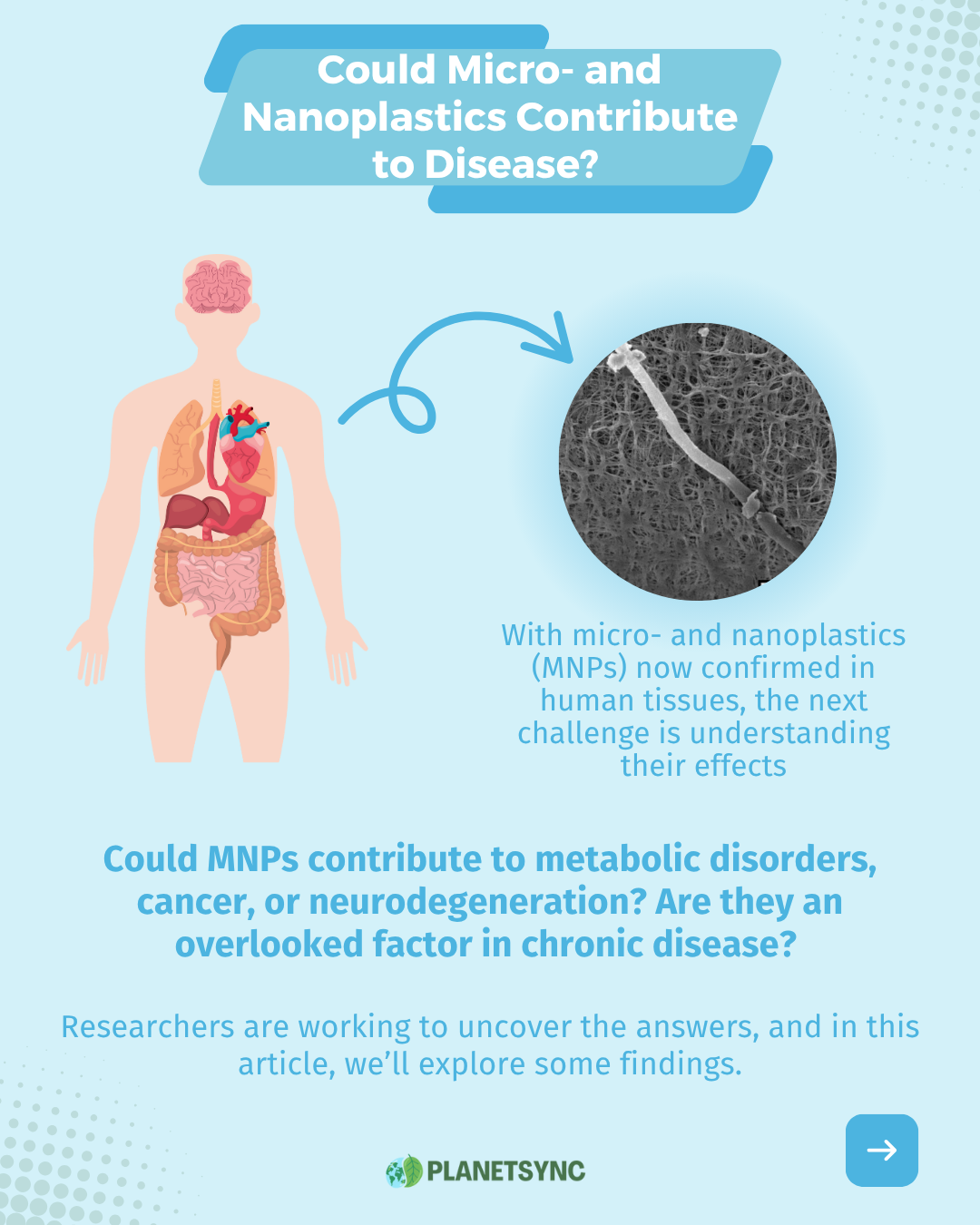
With micro- and nanoplastics (MNPs) now confirmed in human tissues, the next challenge is understanding their effects. Could these particles contribute to metabolic disorders, cancer, or neurodegeneration? Are they an overlooked factor in chronic disease? Researchers are working to uncover the answers, and in this section, we’ll explore some findings.
Need the Gist? Swipe through the visuals below for a quick summary!
Immune System Impacts
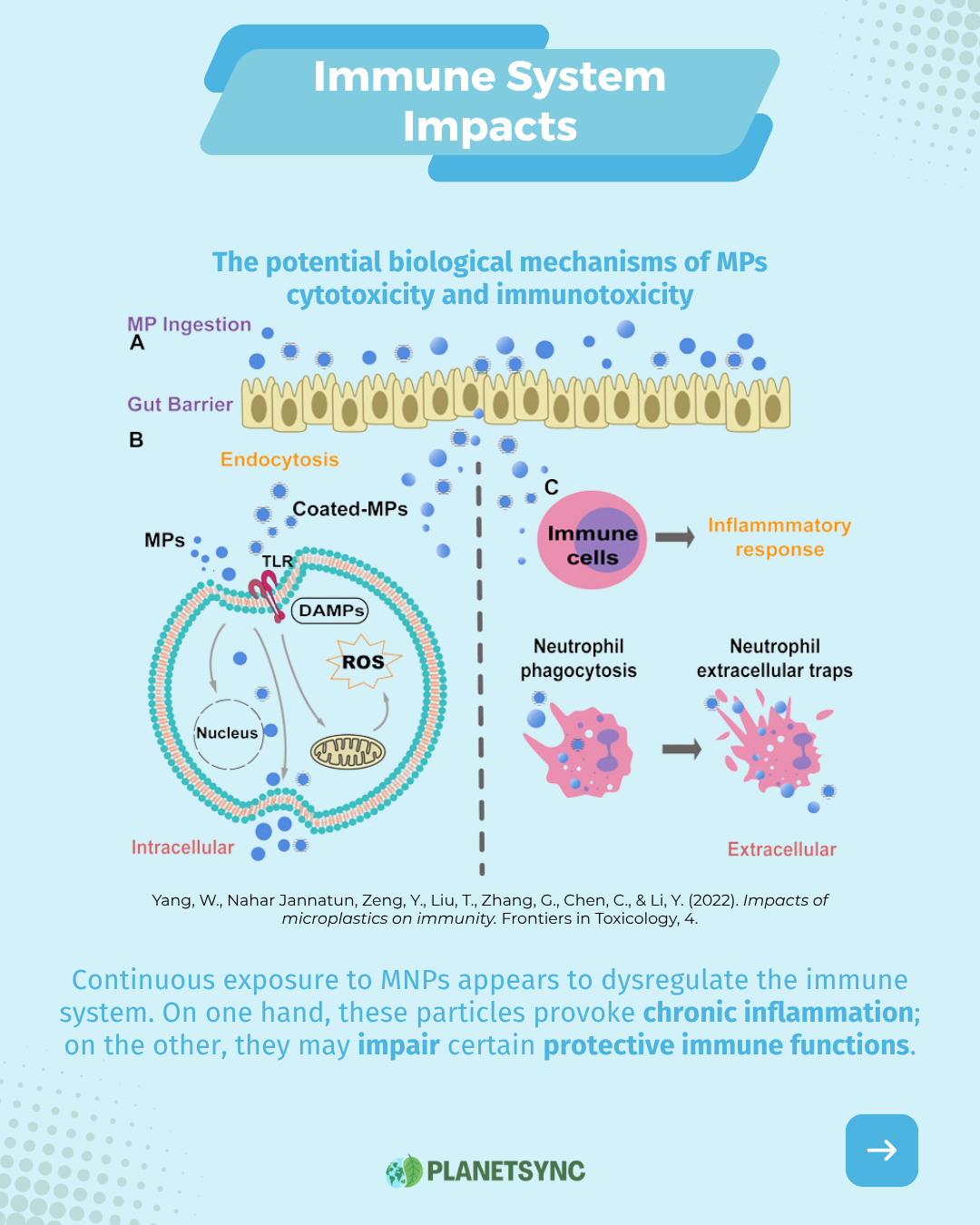
Continuous exposure to MNPs appears to dysregulate the immune system. On one hand, these particles provoke chronic inflammation; on the other, they may impair certain protective immune functions. This could contribute to autoimmune disorders and increased susceptibility to infections.
Metabolic Disorders
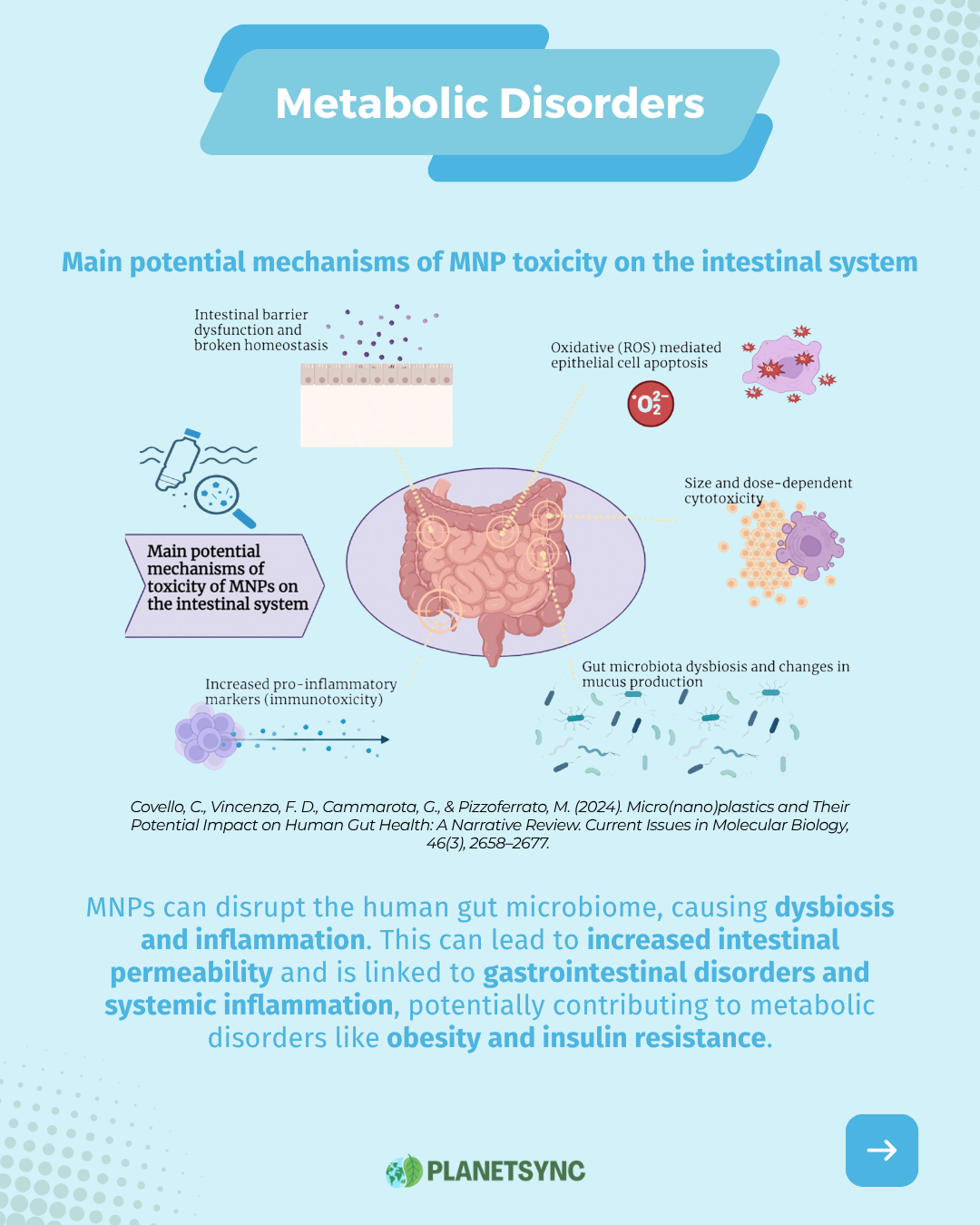
Scientists are deeply concerned about how MNPs might affect our metabolism. When ingested, MNPs can upset the delicate balance of the gut microbiome, the community of bacteria and other microorganisms that play a crucial role in digestion and nutrient absorption. When MNPs are ingested, evidence suggests they can disrupt this delicate balance, leading to dysbiosis, an unhealthy shift in microbial composition. This disturbance can compromise the integrity of our intestinal barrier, effectively creating a “leaky gut” that allows harmful substances to enter the bloodstream.
This internal breach triggers systemic inflammation and oxidative stress throughout the body. Such chronic, low-grade inflammation is a well-established risk factor for a range of metabolic disorders, including obesity and insulin resistance, interfering with how our bodies manage sugar and fat. The evidence strongly suggests MNPs could be an emerging concern for long-term metabolic health.
Endocrine Disorders
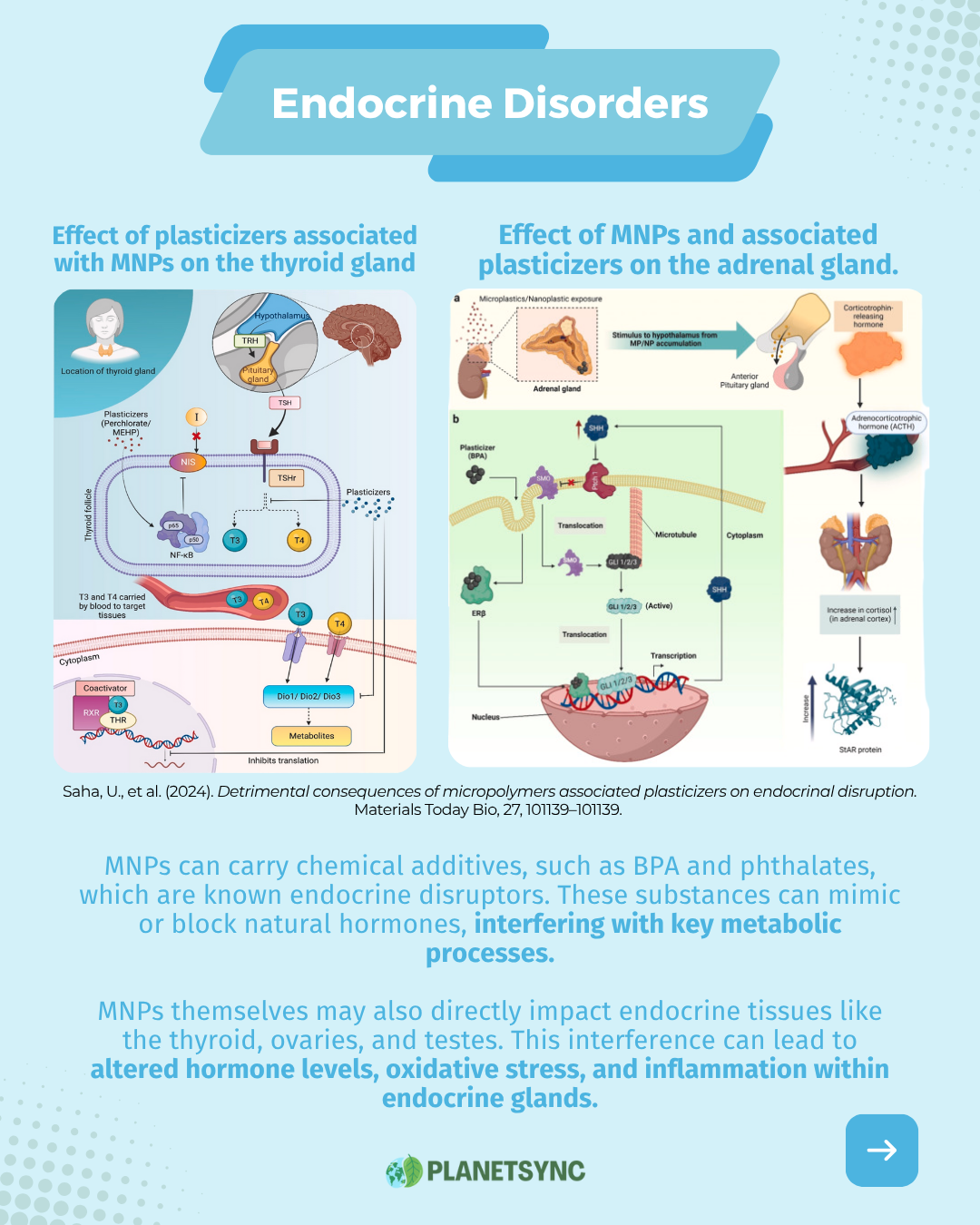
MNPs might disrupt our endocrine system, the body’s crucial network of glands that produce hormones regulating nearly every bodily function. Evidence suggests MNPs can release or carry endocrine-disrupting chemicals (EDCs), such as bisphenol A (BPA) and phthalates, which are often additives from the plastic manufacturing process. These EDCs can mimic or interfere with natural hormones, tricking the body’s delicate hormonal balance.
Beyond carrying EDCs, the MNPs themselves may also directly impact endocrine tissues like the thyroid, ovaries, and testes. This interference can lead to altered hormone levels, oxidative stress, and inflammation within endocrine glands. The combined effect of MNP presence and associated chemical leaching raises significant concerns for reproductive health, thyroid function, and potentially other hormonal disorders.
Reproductive Health
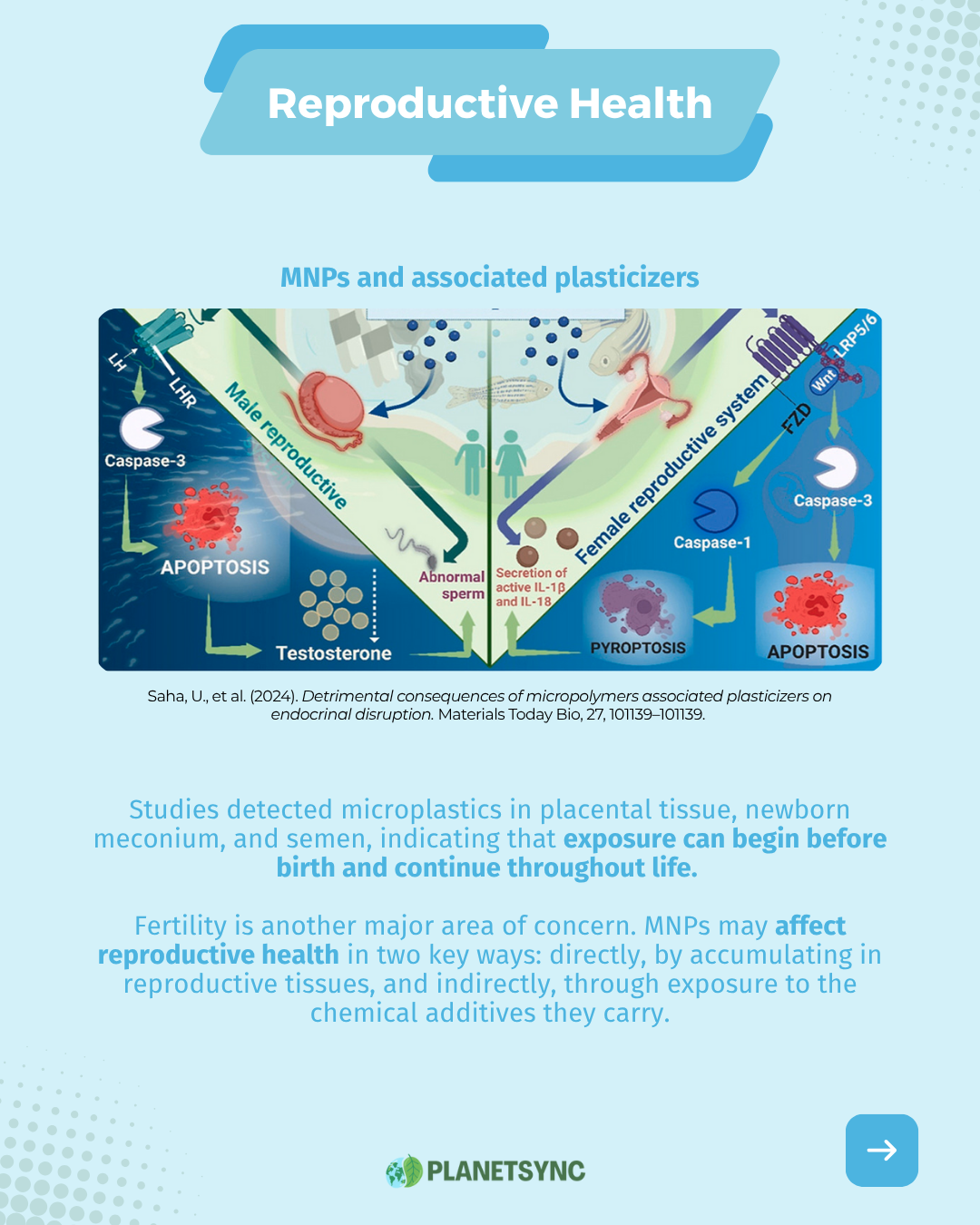
Studies published in 2023 detected microplastics in placental tissue, newborn meconium (a baby’s first stool), and semen, indicating that exposure can begin before birth and continue throughout life. The discovery of microplastics in the placenta has raised concerns about potential disruptions to maternal-fetal communication and nutrient exchange, both of which are crucial for healthy fetal development. Since the placenta is responsible for delivering oxygen and essential nutrients to the growing baby, any interference could have significant implications, though more research is needed to determine this.
Fertility is another major area of concern. Microplastics may affect reproductive health in two keyways: directly, by accumulating in reproductive tissues, and indirectly, through exposure to the chemical additives they carry.
Cardiovascular Disease
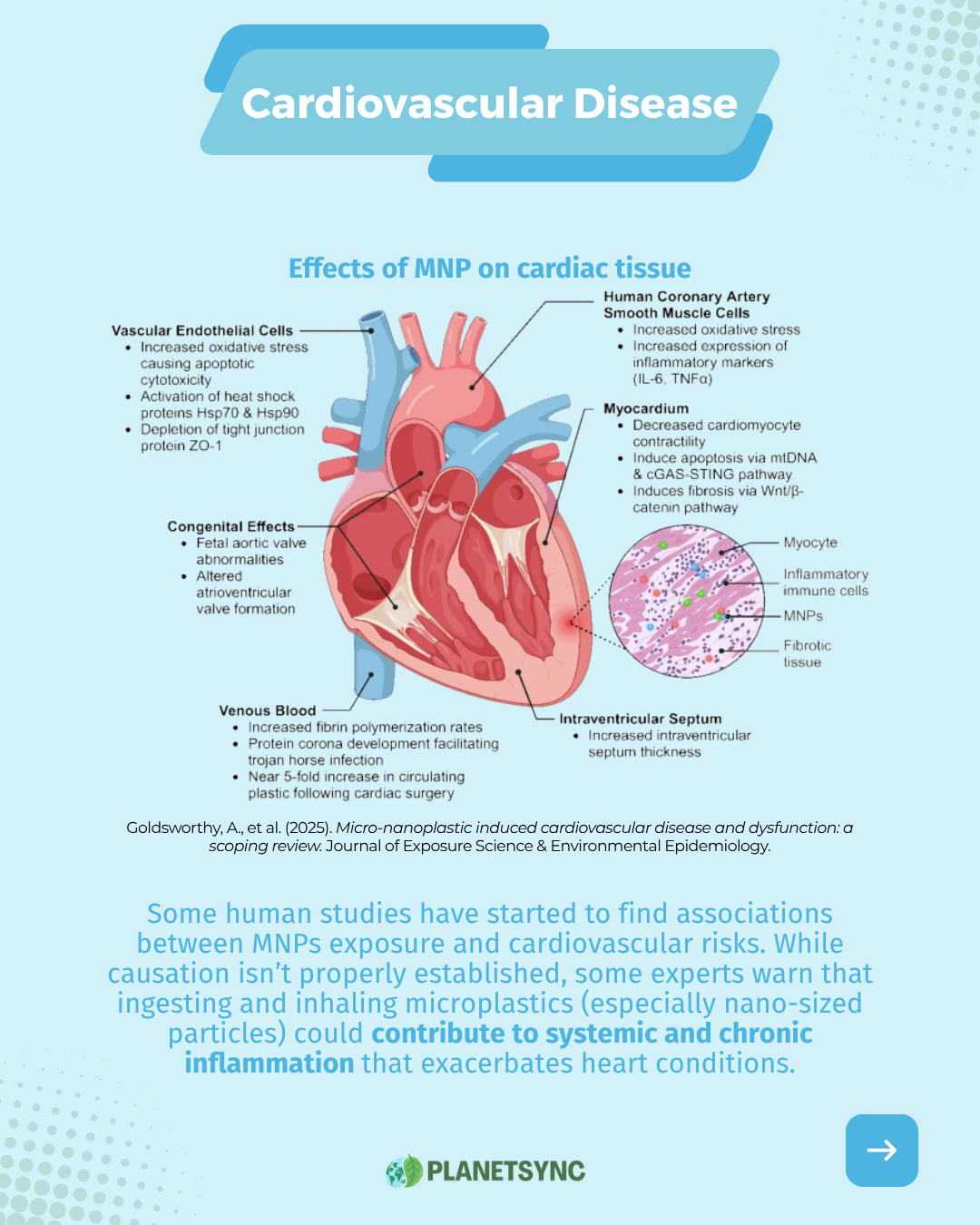
Some human studies have started to find associations between MNPs exposure and cardiovascular risks. For instance, researchers reported correlations between higher microplastic levels in human tissues and markers of cardiovascular disease. While causation isn’t properly established, some experts warn that ingesting and inhaling microplastics (especially nano-sized particles) could contribute to systemic and chronic inflammation that exacerbates heart conditions.
Cancer & Tumor Development
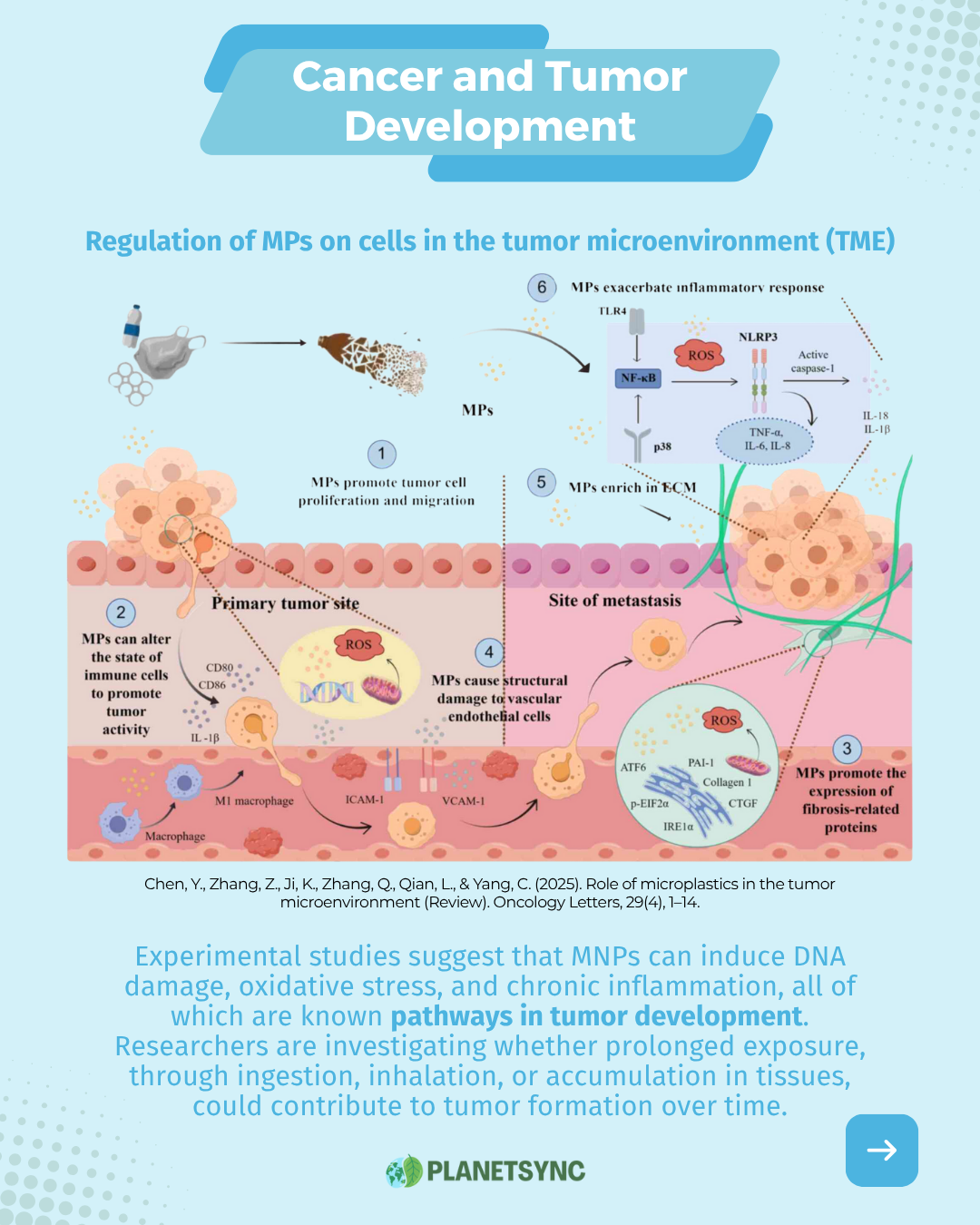
Experimental studies suggest that MNPs can induce DNA damage, oxidative stress, and chronic inflammation, all of which are known pathways in tumor development. Researchers are investigating whether prolonged exposure, through ingestion, inhalation, or accumulation in tissues, could contribute to tumor formation over time.
One occupational study found that workers regularly exposed to airborne PVC microplastic particles in industrial settings may have a higher risk of lung cancer. While this finding suggests a possible link between microplastic exposure and cancer in high-exposure environments, more research is needed to determine whether similar risks exist for the general population.
At this stage, no human cancer has been directly linked to microplastic exposure.
Neurological Diseases
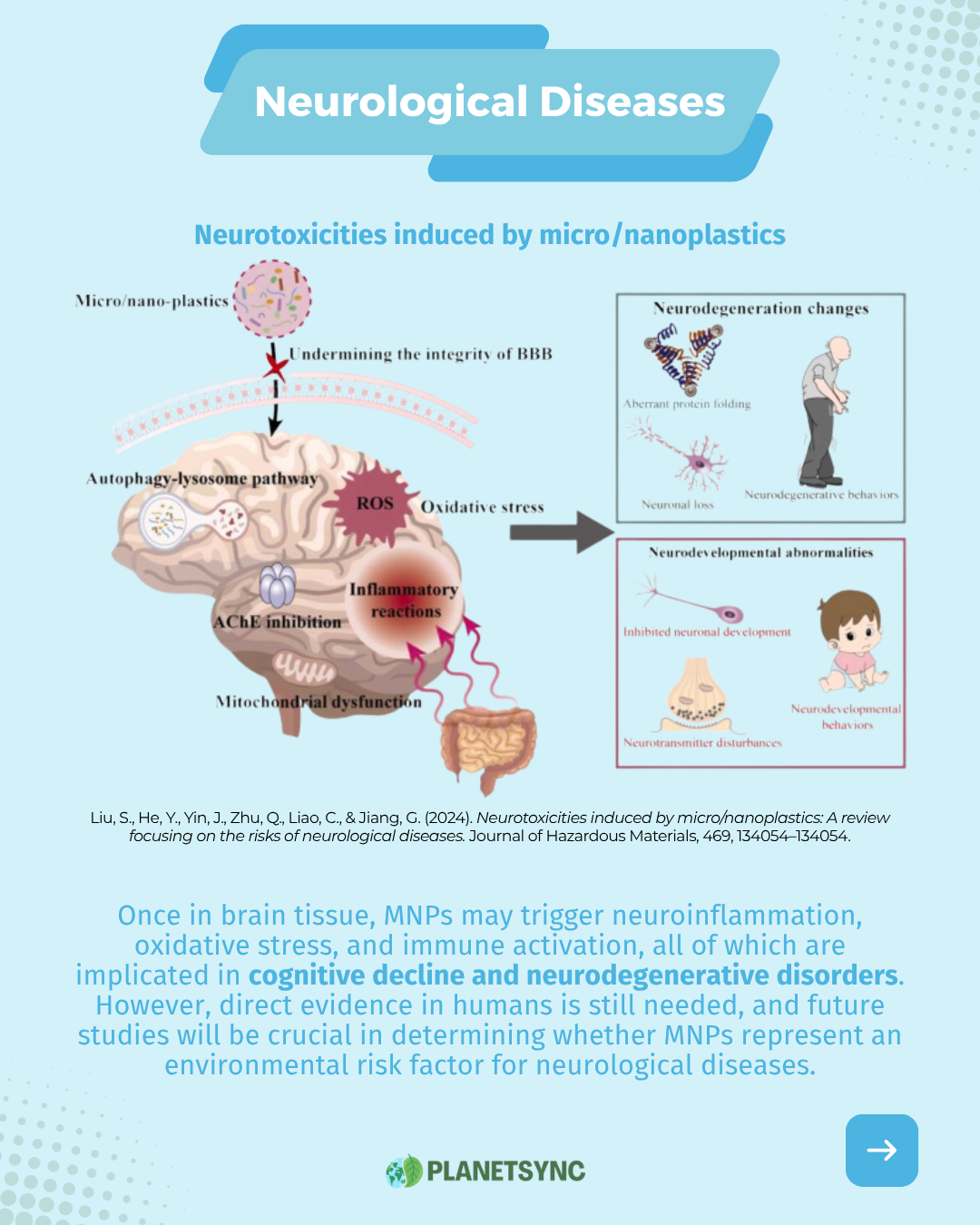
The finding that MNPs can reach the brain has opened questions about neurological effects. Once in brain tissue, these particles may trigger neuroinflammation, oxidative stress, and immune activation, all of which are implicated in cognitive decline and neurodegenerative disorders such as Alzheimer’s and Parkinson’s disease. However, direct evidence in humans is still needed, and future studies will be crucial in determining whether microplastics represent an overlooked environmental risk factor for neurological diseases.
Current Consensus: Caution but No Panic
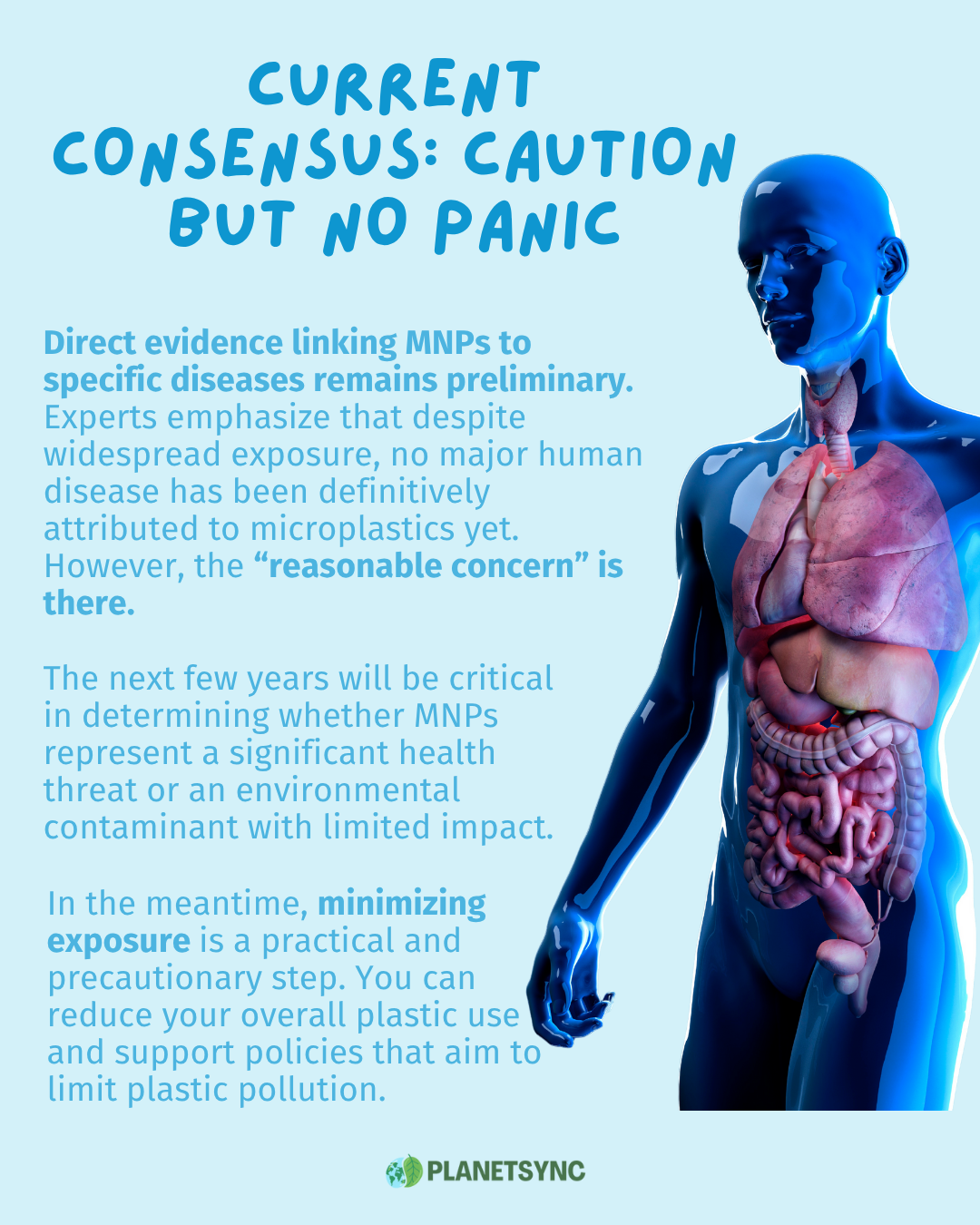
While research into MNPs and human health is advancing, direct evidence linking them to specific diseases remains preliminary. Experts emphasize that despite widespread exposure, no major human disease has been definitively attributed to microplastics yet. However, the “reasonable concern” is definitely there. Given their ability to accumulate in the body, interact with cells, and trigger biological responses, it is plausible that prolonged exposure could contribute to or exacerbate certain health conditions over time.
Although many unknowns remain, scientists are actively working to close these gaps through long-term studies, improved exposure assessments, and deeper investigations into their biological effects. The next few years will be critical in determining whether microplastics represent a significant health threat or an environmental contaminant with limited impact.
In the meantime, minimizing exposure is a practical and precautionary step. While we wait for clearer insights, reducing plastic use, supporting policies that limit plastic pollution, and using effective filtration methods at home can help mitigate potential risks.
References & Resources
- An Innovative Analytical Platform to Investigate the Effect and Toxicity of Micro and Nano Plastics Combined with Environmental Contaminants on The Risk of Allergic Disease in Preclinical and Clinical. Imptox Project. Fact Sheet. H2020. (n.d.). CORDIS | European Commission.
- Bora, S. S., Gogoi, R., Sharma, M. R., Anshu, Borah, M. P., Deka, P., Bora, J., Naorem, R. S., Das, J., & Teli, A. B. (2024). Microplastics and human health: Unveiling the gut microbiome disruption and chronic disease risks. Frontiers in Cellular and Infection Microbiology, 14, 1492759. https://doi.org/10.3389/fcimb.2024.1492759
- Campen, M., Nihart, A., Garcia, M., Liu, R., Olewine, M., Castillo, E., Bleske, B., Scott, J., Howard, T., Gonzalez-Estrella, J., Adolphi, N., Gallego, D., & Hayek, E. E. (2024). Bioaccumulation of Microplastics in Decedent Human Brains Assessed by Pyrolysis Gas Chromatography-Mass Spectrometry. Research Square, rs.3.rs-4345687. https://doi.org/10.21203/rs.3.rs-4345687/v1
- Dietary and inhalation exposure to nano- and microplastic particles and potential implications for human health. (n.d.).
- Foss Hansen, S., Hernandez Bonilla, A., & Mata Marcano, V. (2024). CUSP Policy Brief 2 – Micro and Nanoplastics and Public Health: A Reasonable Concern.
- Garcia, M. A., Liu, R., Nihart, A., El Hayek, E., Castillo, E., Barrozo, E. R., Suter, M. A., Bleske, B., Scott, J., Forsythe, K., Gonzalez-Estrella, J., Aagaard, K. M., & Campen, M. J. (2024). Quantitation and identification of microplastics accumulation in human placental specimens using pyrolysis gas chromatography mass spectrometry. Toxicological Sciences, 199(1), 81–88. https://doi.org/10.1093/toxsci/kfae021
- Horvatits, T., Tamminga, M., Liu, B., Sebode, M., Carambia, A., Fischer, L., Püschel, K., Huber, S., & Fischer, E. K. (2022). Microplastics detected in cirrhotic liver tissue. EBioMedicine, 82, 104147. https://doi.org/10.1016/j.ebiom.2022.104147
- Hu, C. J., Garcia, M. A., Nihart, A., Liu, R., Yin, L., Adolphi, N., Gallego, D. F., Kang, H., Campen, M. J., & Yu, X. (2024). Microplastic presence in dog and human testis and its potential association with sperm count and weights of testis and epididymis. Toxicological Sciences, 200(2), 235–240. https://doi.org/10.1093/toxsci/kfae060
- Ibrahim, Y. S., Tuan Anuar, S., Azmi, A. A., Wan Mohd Khalik, W. M. A., Lehata, S., Hamzah, S. R., Ismail, D., Ma, Z. F., Dzulkarnaen, A., Zakaria, Z., Mustaffa, N., Tuan Sharif, S. E., & Lee, Y. Y. (2021). Detection of microplastics in human colectomy specimens. JGH Open: An Open Access Journal of Gastroenterology and Hepatology, 5(1), 116–121. https://doi.org/10.1002/jgh3.12457
- Innovative tools to study the impact and mode of action of micro and nanoplastics on human health: Towards a knowledge base for risk assessment. PLASTICHEAL Project. Fact Sheet. H2020. (n.d.). CORDIS. European Commission.
- Jenner, L. C., Rotchell, J. M., Bennett, R. T., Cowen, M., Tentzeris, V., & Sadofsky, L. R. (2022). Detection of microplastics in human lung tissue using μFTIR spectroscopy. Science of The Total Environment, 831, 154907. https://doi.org/10.1016/j.scitotenv.2022.154907
- Kadac-Czapska, K., Ośko, J., Knez, E., & Grembecka, M. (2024). Microplastics and Oxidative Stress—Current Problems and Prospects. Antioxidants, 13(5), 579. https://doi.org/10.3390/antiox13050579
- Lee, Y., Cho, J., Sohn, J., & Kim, C. (2023). Health Effects of Microplastic Exposures: Current Issues and Perspectives in South Korea. Yonsei Medical Journal, 64(5), 301–308. https://doi.org/10.3349/ymj.2023.0048
- Li, Y., Tao, L., Wang, Q., Wang, F., Li, G., & Song, M. (2023). Potential Health Impact of Microplastics: A Review of Environmental Distribution, Human Exposure, and Toxic Effects. Environment & Health, 1(4), 249–257. https://doi.org/10.1021/envhealth.3c00052
- Mahmud, F., Sarker, D. B., Jocelyn, J. A., & Sang, Q.-X. A. (2024). Molecular and Cellular Effects of Microplastics and Nanoplastics: Focus on Inflammation and Senescence. Cells, 13(21), 1788. https://doi.org/10.3390/cells13211788
- Microplastics on Human Health: How much do they harm us? (n.d.). UNDP.
- Nihart, A. J., Garcia, M. A., El Hayek, E., Liu, R., Olewine, M., Kingston, J. D., Castillo, E. F., Gullapalli, R. R., Howard, T., Bleske, B., Scott, J., Gonzalez-Estrella, J., Gross, J. M., Spilde, M., Adolphi, N. L., Gallego, D. F., Jarrell, H. S., Dvorscak, G., Zuluaga-Ruiz, M. E., … Campen, M. J. (2025). Bioaccumulation of microplastics in decedent human brains. Nature Medicine. https://doi.org/10.1038/s41591-024-03453-1
- Plastics fate and effects in the human body. PlasticsFatE Project. Fact Sheet. H2020. (n.d.). CORDIS. European Commission.
- POLYRISK – Understanding human exposure and health hazard of micro- and nanoplastic contaminants in our environment. POLYRISK Project. Fact Sheet. H2020. (n.d.). CORDIS. European Commission.
- Ragusa, A., Notarstefano, V., Svelato, A., Belloni, A., Gioacchini, G., Blondeel, C., Zucchelli, E., De Luca, C., D’Avino, S., Gulotta, A., Carnevali, O., & Giorgini, E. (2022). Raman Microspectroscopy Detection and Characterisation of Microplastics in Human Breastmilk. Polymers, 14(13), Article 13. https://doi.org/10.3390/polym14132700
- Ragusa, A., Svelato, A., Santacroce, C., Catalano, P., Notarstefano, V., Carnevali, O., Papa, F., Rongioletti, M. C. A., Baiocco, F., Draghi, S., D’Amore, E., Rinaldo, D., Matta, M., & Giorgini, E. (2021). Plasticenta: First evidence of microplastics in human placenta. Environment International, 146, 106274. https://doi.org/10.1016/j.envint.2020.106274
- Roslan, N. S., Lee, Y. Y., Ibrahim, Y. S., Tuan Anuar, S., Yusof, K. M. K. K., Lai, L. A., & Brentnall, T. (n.d.). Detection of microplastics in human tissues and organs: A scoping review. Journal of Global Health, 14, 04179. https://doi.org/10.7189/jogh.14.04179
- Sharma, R. K., Kumari, U., & Kumar, S. (n.d.). Impact of Microplastics on Pregnancy and Fetal Development: A Systematic Review. Cureus, 16(5), e60712. https://doi.org/10.7759/cureus.60712
- WHO report on potential human health implications of microplastics. (2022, September 23). Food Packaging Forum
- Yan, Z., Liu, Y., Zhang, T., Zhang, F., Ren, H., & Zhang, Y. (2022). Analysis of Microplastics in Human Feces Reveals a Correlation between Fecal Microplastics and Inflammatory Bowel Disease Status. Environmental Science & Technology, 56(1), 414–421. https://doi.org/10.1021/acs.est.1c03924
- Yang, Y., Xie, E., Du, Z., Peng, Z., Han, Z., Li, L., Zhao, R., Qin, Y., Xue, M., Li, F., Hua, K., & Yang, X. (2023). Detection of Various Microplastics in Patients Undergoing Cardiac Surgery. Environmental Science & Technology, 57(30), 10911–10918. https://doi.org/10.1021/acs.est.2c07179
- Zarus, G. M., Muianga, C., Brenner, S., Stallings, K., Casillas, G., Pohl, H. R., Mumtaz, M. M., & Gehle, K. (2023). Worker studies suggest unique liver carcinogenicity potential of polyvinyl chloride microplastics. American Journal of Industrial Medicine, 66(12), 1033–1047. https://doi.org/10.1002/ajim.23540
- Zhao, Q., Zhu, L., Weng, J., Jin, Z., Cao, Y., Jiang, H., & Zhang, Z. (2023). Detection and characterization of microplastics in the human testis and semen. Science of The Total Environment, 877, 162713. https://doi.org/10.1016/j.scitotenv.2023.162713
- Zhu, L., Zhu, J., Zuo, R., Xu, Q., Qian, Y., & An, L. (2023). Identification of microplastics in human placenta using laser direct infrared spectroscopy. Science of The Total Environment, 856, 159060. https://doi.org/10.1016/j.scitotenv.2022.159060


 planetsync.blog
Leave a comment