

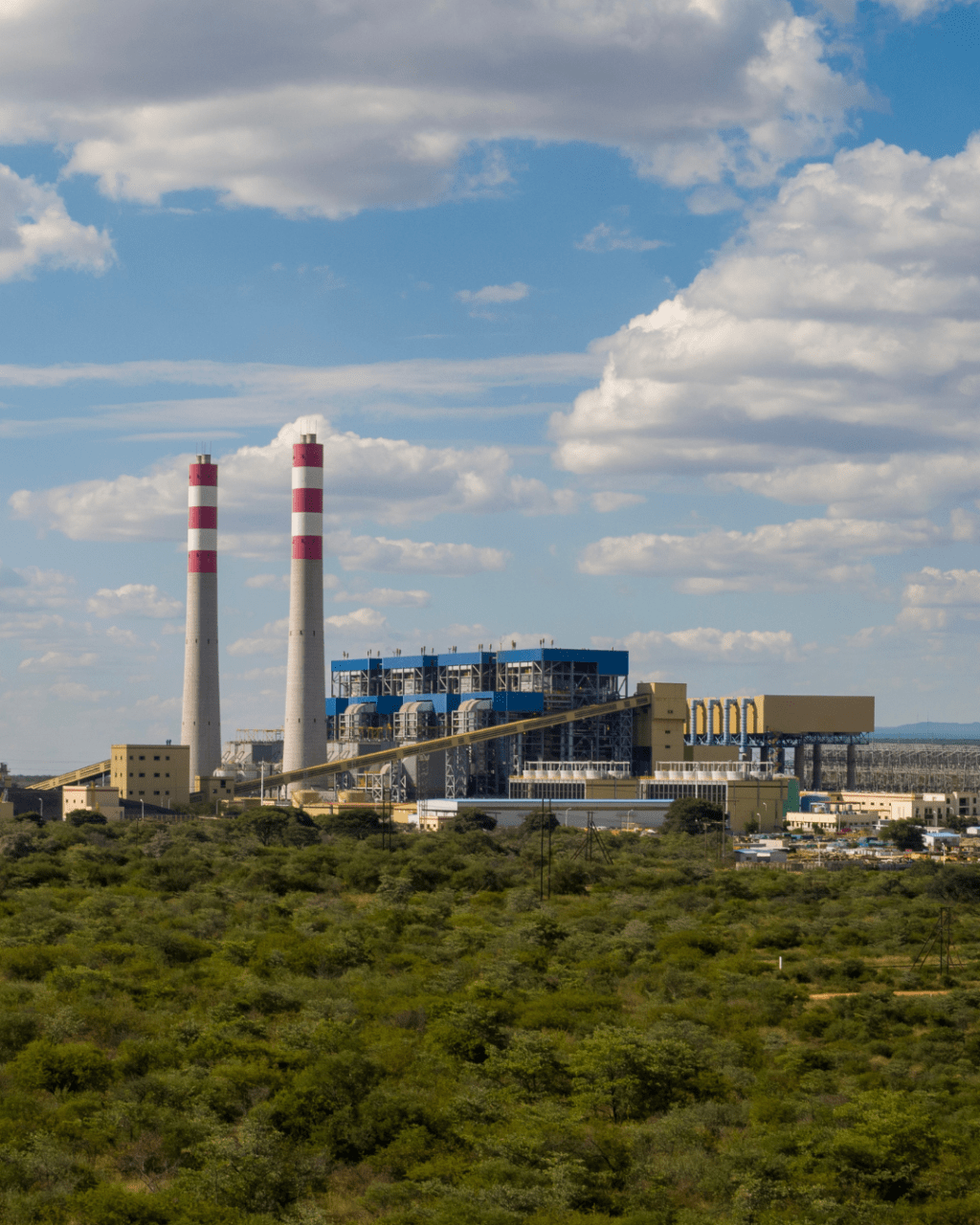
COP30 opened in Belém with high expectations. Brazil positioned COP30 as a moment to center forests, equity, and real-world implementation after years of slow progress. Delegates and observers arrived hoping for breakthroughs on fossil fuels, deforestation, emissions reductions, and climate finance, four areas that define the credibility of global climate action.
As negotiations unfolded, however, the mood shifted. Progress was made, but not on the issues many considered most urgent. What emerged was a mixed outcome: enough substance to show that multilateral climate diplomacy remains alive, yet it fell well short of delivering the robust, science-aligned commitments needed to shift the world decisively onto a sustainable path.
Let’s explore the key takeaways!
Need the Gist? Swipe through the visuals below for a quick summary!



COP30 Failure on Fossil Fuel Phase-Out
The clearest disappointment came in the area where expectations were highest. Despite widespread public pressure and support from more than 80 countries, the final text made no reference to phasing out or even phasing down fossil fuels. Instead, negotiators agreed on generic language urging emissions reductions and low-carbon development. This omission became the defining symbol of the summit’s limitations, highlighting how lobbyists can constrain the most fundamental step needed to meet global climate goals.
In response to this failure, COP30 President announced it would lead the development of 2 voluntary roadmaps outside the formal UN process: one on the transition away from fossil fuels and one on halting deforestation.
Mixed Outcomes on Forests and Finance
Forests were expected to be the signature theme of a COP held in the Amazon. Yet while Brazil promoted new initiatives to support long-term forest protection, the formal negotiations stopped short of adopting a clear commitment to halt and reverse deforestation. Many countries supported a specific roadmap, but the final package deferred such decisions to future discussions.
Finance followed a similar pattern. Countries endorsed the need to significantly increase adaptation funding by tripling it by 2035, acknowledging the growing pressures on vulnerable regions. But without an agreed baseline or a detailed implementation mechanism, the commitment remains more directional than concrete. For developing nations, the distance between climate needs and actual financial delivery remained a central frustration.
Tensions Inside the Negotiation Rooms
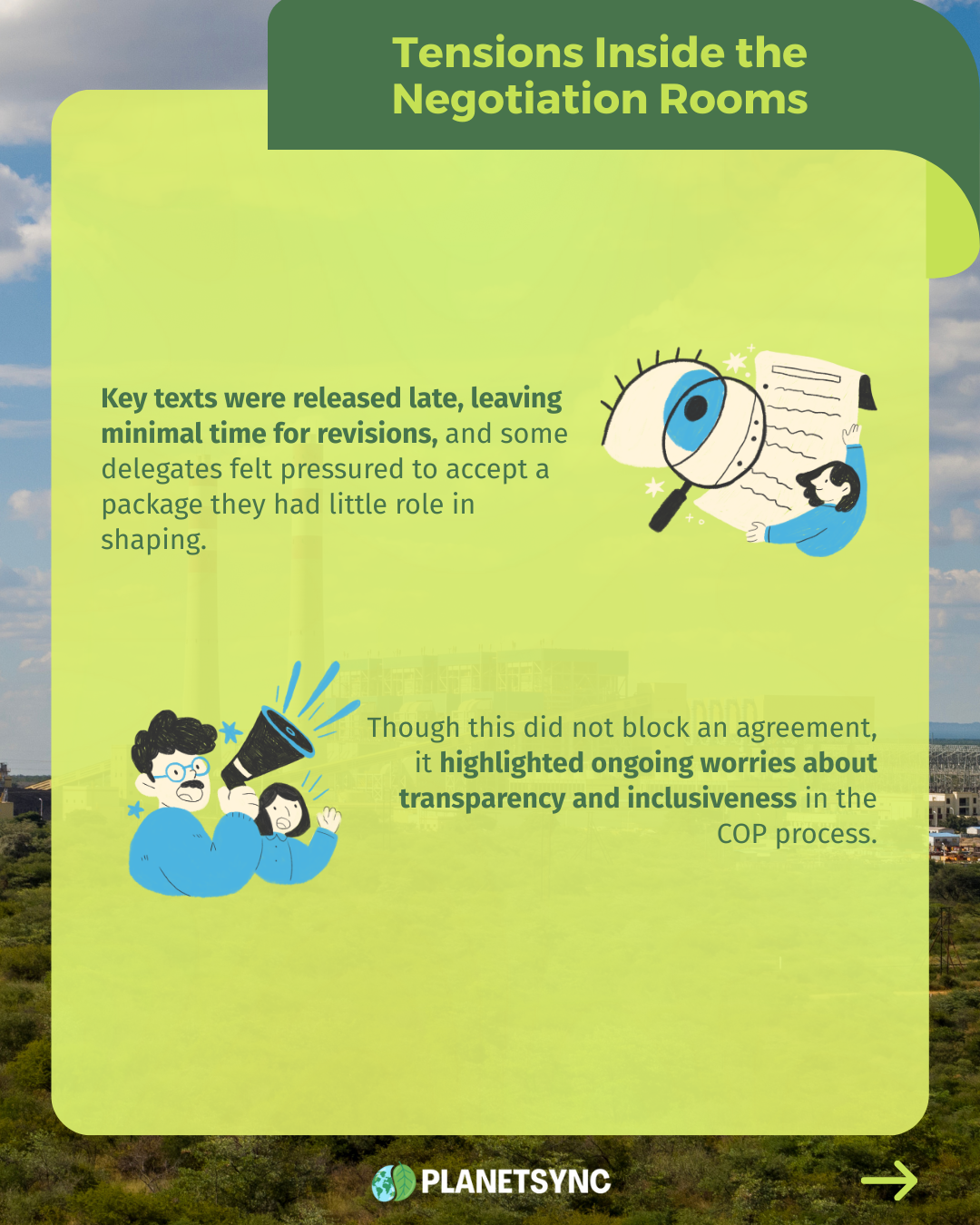
Delegates also raised concerns about how the negotiations unfolded. Several key texts were circulated late in the negotiations, leaving little time for countries to suggest changes. Some delegates reported feeling boxed into accepting a package they had limited opportunity to shape. While these disputes did not derail an agreement, they underscored worries about transparency and inclusiveness in the COP process.
So… Was COP30 a Success or Failure?
Evaluating COP30 requires holding two truths at once. The summit advanced several important elements of climate action. Parties formally agreed to the Belém Action Mechanism on Just Transition, a major institutional victory that formally codifies the need to ensure the shift away from fossil fuels is equitable and protects workers and communities globally. Furthermore, the final decision text formally acknowledged the rights of Indigenous Peoples, their traditional knowledge, and the importance of addressing the health co-benefits of climate action (e.g., cleaner air). These are meaningful steps that shape how climate action will be carried out in practice.
At the same time, COP30 fell short where expectations and science demanded more. Without clarity on fossil fuels or firm timelines on deforestation and finance, the summit didn’t deliver the decisive shift many hoped the Amazon setting would inspire.
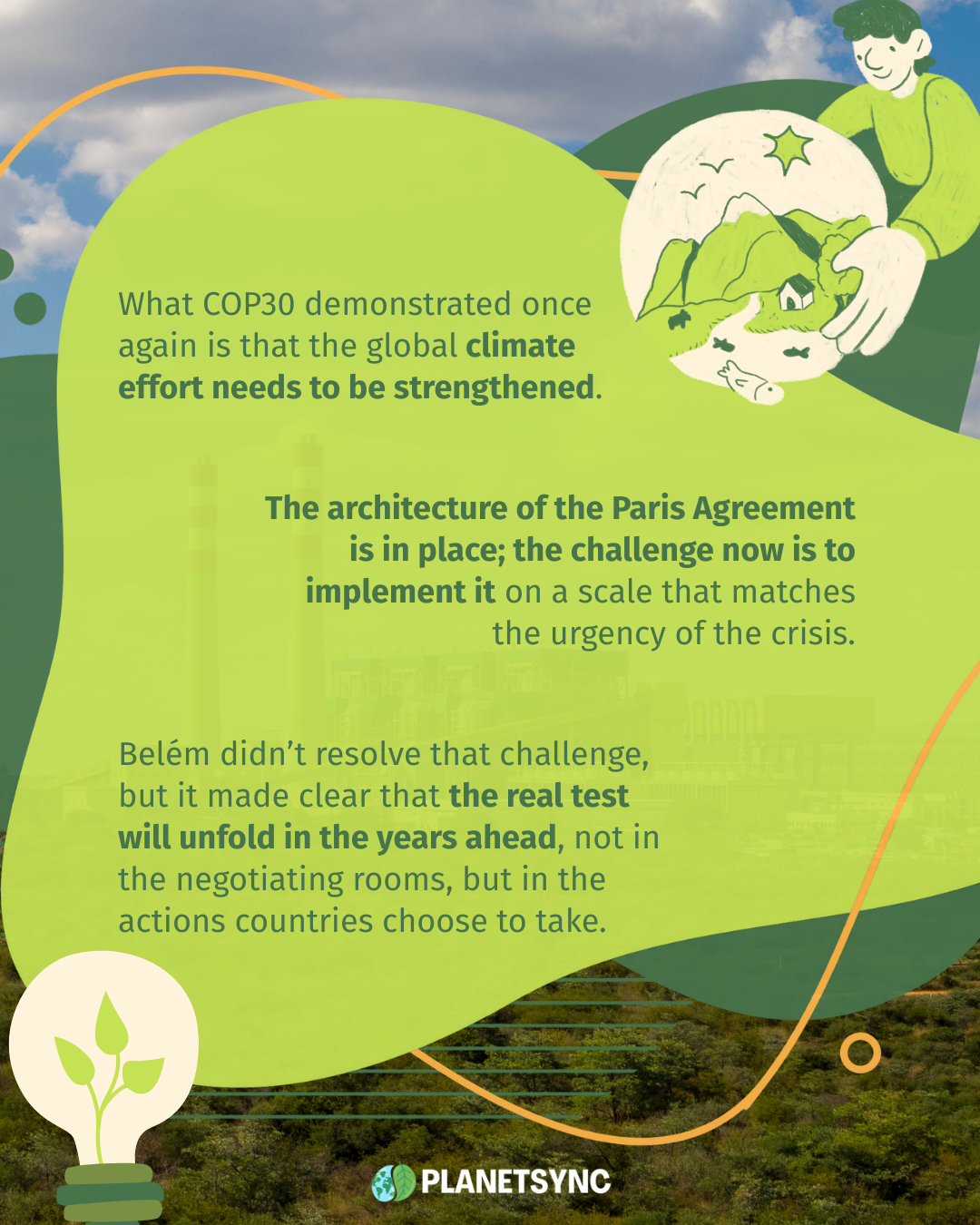
What COP30 ultimately demonstrated once again is that the global climate effort needs to be strengthened. The architecture of the Paris Agreement is in place; the challenge now is to implement it on a scale that matches the urgency of the crisis. Belém didn’t resolve that challenge, but it made clear that the real test will unfold in the years ahead, not in the negotiating rooms, but in the actions countries choose to take.
References & Resources
COP30. (n.d.). COP30: Landmark outcomes emerge from negotiations despite unprecedented geopolitical tensions. https://cop30.br/en/news-about-cop30/cop30-landmark-outcomes-emerge-from-negotiations-despite-unprecedented-geopolitical-tensions
European Parliament. (2025, November 23). COP30 outcome: Slow progress, but insufficient to meet climate crisis urgency. https://www.europarl.europa.eu/news/en/press-room/20251117IPR31438/cop30-outcome-slow-progress-but-insufficient-to-meet-climate-crisis-urgency
UNFCCC. (n.d.). Belém Political Package. https://unfccc.int/cop30/belem-political-package


 planetsync.blog
Leave a comment