

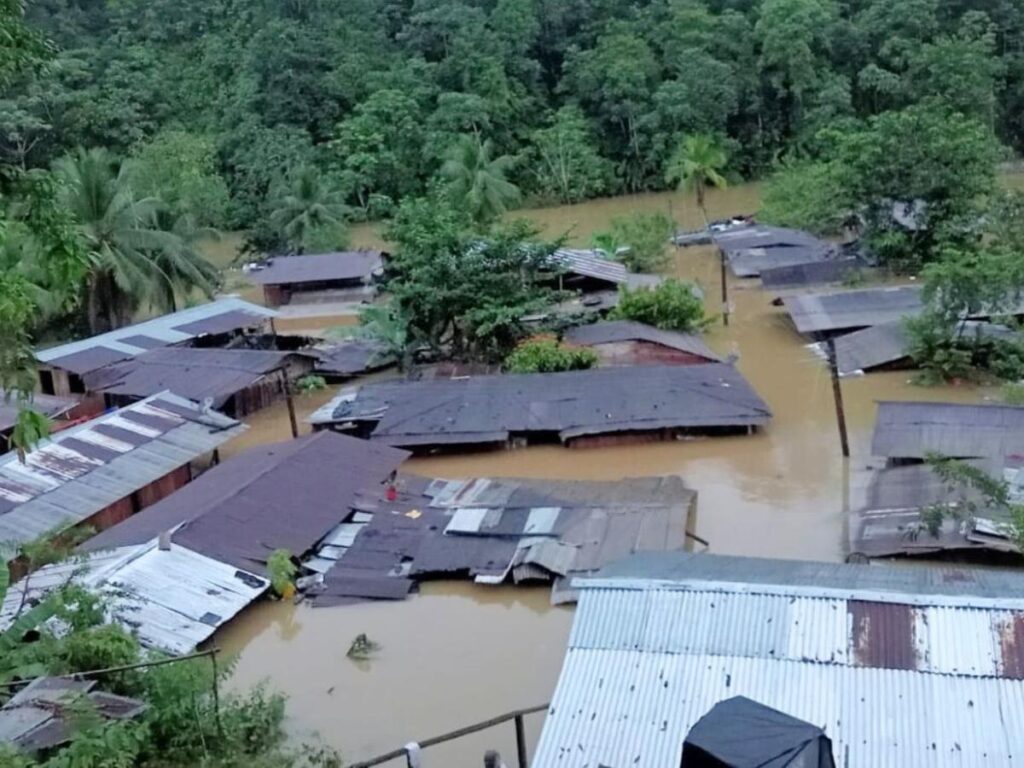
Colombia is in the midst of a significant flooding crisis that has affected large swathes of its northern and Caribbean regions. The situation is evolving rapidly and has serious implications for communities, infrastructure, and ongoing climate risk management in the country.
Even for readers outside Colombia, the crisis offers important insight into how extreme weather events interact with infrastructure limits and governance systems, so let us take a closer look at what is unfolding and why it matters.
The Current Situation: Rain, Rivers, and Rising Waters
Intense rainfall beginning in late January triggered widespread river swelling and overflow across several northern departments, including Córdoba, Sucre, La Guajira, Antioquia, Bolívar, Cesar, Magdalena, and Chocó. In some areas, precipitation far exceeded seasonal norms, overwhelming drainage systems in both urban and rural settings.
Multiple news outlets report that at least 18 to 22 people have died as a direct result of flooding and river overflows. More than 150,000 residents are estimated to be affected through displacement, property damage, or prolonged exposure to standing water. Thousands of homes have been inundated, and many families remain in temporary shelters or are attempting to recover belongings as water levels gradually recede in certain areas.
Rivers such as the Sinú have remained elevated for days, leaving entire neighbourhoods submerged and complicating relief and logistics operations.
Official Response: Emergency Measures and Funding Needs
In response to the scale of the crisis, the Colombian government declared a 30-day State of Emergency beginning on February 11, 2026. This legal mechanism allows the executive branch to reallocate budgets and mobilise resources more rapidly than under ordinary legislative procedures.
President Gustavo Petro has requested that the Constitutional Court permit expanded emergency powers that could allow temporary tax measures to fund response and reconstruction. Authorities argue that rebuilding infrastructure, restoring essential services, and supporting displaced populations will require fiscal flexibility beyond existing allocations.
The Colombian Senate has signaled that it will maintain oversight of the emergency measures to ensure transparency and proportionality in their application.
Why These Floods Are Unusual
Several interacting factors appear to have contributed to the severity of the current flooding. Meteorological authorities have linked the intense rainfall to repeated cold fronts and atmospheric disturbances over the Caribbean basin, which brought sustained precipitation to northern Colombia at a time of year that is not typically associated with peak rainfall in many of the affected areas. The timing and persistence of these systems increased the volume of accumulated rainfall over successive days.
Hydrological conditions also played a significant role. In several river basins, water levels were already elevated before the most recent storms. When soils are saturated and rivers or reservoirs are near capacity, even moderate additional rainfall can result in rapid overflow. Under these circumstances, drainage infrastructure and flood defenses can be exceeded more quickly than design standards anticipate.
The broader climatic context also warrants consideration. Long-term monitoring indicates significant variability in Colombia’s rainfall patterns, with evidence of more frequent intense precipitation episodes in some regions. This is consistent with global scientific projections that a warmer atmosphere can retain more moisture, increasing the likelihood of heavy rainfall events. However, directly attributing this specific flood episode to climate change would require formal event-attribution analysis.
Looking Ahead: Preparedness and Resilience
Over the past decades, Colombia has built a relatively robust institutional framework for disaster risk management, designed to anticipate and respond to floods, landslides and other hydrometeorological hazards. Early warning systems, specialized disaster response agencies and coordinated relief mechanisms have improved the country’s ability to react quickly when emergencies occur.
However, the scale and timing of this flood episode highlight gaps in preparedness for atypical climatic conditions, particularly in regions where infrastructure was not designed for high-intensity, off-season rainfall.
Strengthening resilience will therefore require sustained investment in flood-resistant infrastructure, including upgraded drainage networks, reinforced riverbanks and improved water management systems. It will also depend on more rigorous land-use planning that limits construction in flood-prone areas and integrates updated hydrological risk assessments into development decisions. Equally important is community engagement: residents in vulnerable areas need accessible risk information and practical preparedness training so that early warnings translate into timely action. At the scientific level, continued research into shifting rainfall patterns and climate dynamics will be essential for refining forecasts and updating design standards.
These strategies must be coupled with reliable data and transparent governance to ensure equitable, effective outcomes for affected populations.
What Colombia’s Experience Underscores
The flooding in Colombia demonstrates how intense rainfall, hydrological stress, and infrastructure limits can converge into a national emergency. As extreme weather variability becomes an increasingly central policy concern worldwide, Colombia’s experience underscores the importance of evidence-based planning, institutional preparedness, and adaptive infrastructure design.
References & Resources
- Catalina Silva. (2026, February 12). Crisis climática en Colombia: Senado anuncia control político al Estado de Emergencia Económica. Senado de la República. https://www.senado.gov.co/
- Diana Rubiano, Bridget M. Jordan, & Alexander Agosti. (n.d.). Stronger Before the Storm: How Colombia Built a System to Withstand Disaster. https://blogs.worldbank.org/en/latinamerica/como-colombia-sistema-mas-resiliente-ante-desastres
- Emergencia en Córdoba: Más de 40.000 familias damnificadas por inundaciones. (n.d.). https://www.agenciapi.co/noticia/regiones/emergencia-en-cordoba-mas-de-40000-familias-damnificadas-por-inundaciones
- Enero registró lluvias por encima de lo normal en Colombia y se prevé continuidad de estas condiciones en los próximos días. (n.d.). https://www.ideam.gov.co/sala-de-prensa/noticia/enero-registro-lluvias-por-encima-de-lo-normal-en-colombia-y-se-preve-continuidad-de-estas
- Instituto de Hidrología, Meteorología y Estudios Ambientales. (n.d.). En las próximas horas, un nuevo frente frío ingresará al país. https://www.ideam.gov.co/sala-de-prensa/noticia/en-las-proximas-horas-un-nuevo-frente-frio-ingresara-al-pais
- Nicolás Rivera. (n.d.). “40 mil hectáreas en Córdoba están bajo el agua”: Director UNGRD sobre magnitud de lluvias. https://www.elcolombiano.com/colombia/inundaciones-cordoba-entrevista-carlos-carrillo-ungrd-ayudas-2026-AD33477052
- Presidencia de la República de Colombia. (n.d.). Gobierno declara estado de emergencia económica en ocho departamentos. https://www.presidencia.gov.co/prensa/Paginas/Gobierno-declara-estado-de-emergencia-economica-en-ocho-departamentos-260211.aspx
- Seguimiento y pronóstico hidrológico por creciente del río Sinú. (n.d.). https://www.ideam.gov.co/sala-de-prensa/noticia/seguimiento-y-pronostico-hidrologico-por-creciente-del-rio-sinu
- The City Paper Staff. (2026, February 10). Extreme flooding in northern Colombia triggers humanitarian crisis. The City Paper Bogotá. https://thecitypaperbogota.com/news/extreme-flooding-in-northern-colombia-triggers-humanitarian-crisis/
- UNGRD. (n.d.). Córdoba ya cuenta con más de 70 toneladas de asistencia humanitaria enviadas por la UNGRD. https://portal.gestiondelriesgo.gov.co/Paginas/Noticias/2026/Cordoba-ya-cuenta-con-mas-de-70-toneladas-de-asistencia-humanitaria-enviadas-por-la-UNGRD.aspx


 planetsync.blog
Leave a comment