

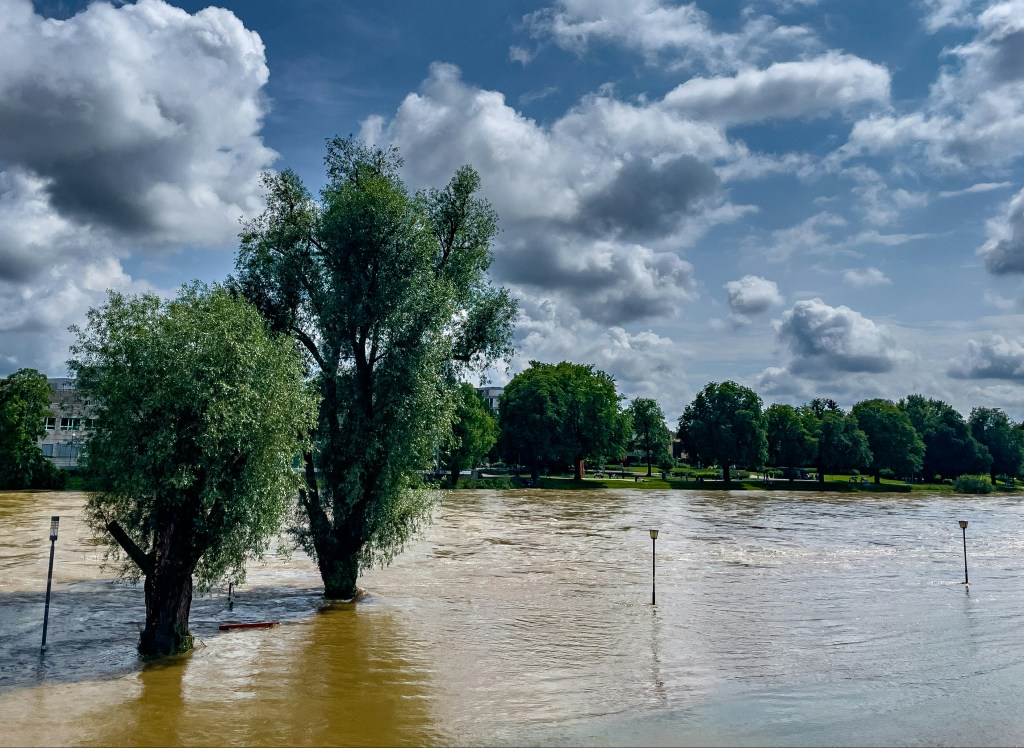
In mid-September 2024, Central and Eastern Europe faced some of the most destructive floods in recent history, drawing attention to the region’s vulnerability to extreme weather. These catastrophic floods wiped out entire communities, caused economic disruption, and left permanent scars on local ecosystems. Understanding the factors behind this disaster and its widespread implications is critical, as the world increasingly confronts the challenges posed by a changing climate.

Which Countries Were Hit Hardest?
The September 2024 floods in Central and Eastern Europe ravaged seven countries:
- Poland suffered some of the worst flooding, particularly in its southwestern regions, like Lower Silesia and Opole Voivodeship. The Oder River swelled beyond its banks, flooding towns, villages, and farmland. Thousands of homes were destroyed, leaving families displaced and reliant on emergency shelters.
- In Slovakia, rivers like the Váh, Hron, and Ipeľ overflowed, causing widespread flooding in rural and urban areas. Key regions like Košice, Prešov, and Nitra saw some of the most significant damage. Roads, bridges, and essential infrastructure were washed away, leaving many areas isolated.
- The Czech Republic experienced catastrophic flooding, particularly in the Moravian-Silesian region, which saw urban centers submerged under several feet of water. Thousands of residents were evacuated.
- In Hungary, the floods severely affected regions along the Danube and Tisza rivers, with Central Hungary, including areas around Budapest, experiencing significant flooding due to the Danube overflowing its banks. The Northern Hungary region, particularly Borsod-Abaúj-Zemplén and Pest counties, also suffered from flash floods as the Tisza River and its tributaries surged. Additionally, the Southern Great Plain, especially in Csongrád-Csanád and Bács-Kiskun counties, faced extensive damage as the Tisza River inundated farmlands and infrastructure
- In Austria, particularly Lower Austria, the Danube River breached its banks, causing immense damage to transportation and energy infrastructure, and affecting rural areas and industrial zones.
- Southeastern Germany, especially Bavaria, was also heavily impacted. The region saw torrential rain that overwhelmed rivers and drainage systems, causing localized floods.
- Romania also experienced severe flooding, particularly in low-lying regions along the Danube River and parts of Transylvania, where heavy rainfall caused rivers to overflow, affecting rural and urban communities alike.
These floods were some of the worst the region had experienced in decades.
What Caused the Floods?
It all started with Storm Boris, a storm system that unleashed torrential rains across Central and Eastern Europe. Over a few days, rivers burst their banks, and floodwaters swamped cities, towns, and farms.
You might wonder, why was this flood so catastrophic? Experts point to a combination of factors:
- Climate Change: Rising global temperatures have been linked to shifts in weather patterns, leading to more frequent and intense storms. Although scientists are careful not to attribute single events to climate change without rigorous analysis, there is a clear connection between the overall increase in extreme weather events and global warming.
- Excessive Rainfall: The amount of rain that fell across Central and Eastern Europe was extraordinary. Over several days, the region saw continuous downpours, with some areas receiving months’ worth of rain in just a few days. This deluge caused rivers to rise rapidly, overtaking their banks and overwhelming drainage systems. Saturated ground from a wet summer further exacerbated the situation, reducing the soil’s capacity to absorb the rainfall.
- Urbanization: Expanding cities with impermeable surfaces, such as roads and buildings, reduced the natural drainage capacity of the land, leading to faster runoff into rivers and overwhelmed drainage systems.
- Infrastructure Gaps: Although considerable investments have been made in flood defenses over the years, many levees, dams, and drainage systems were not built to handle such extreme weather events.
Short-Term Impacts of the Floods
- Human Suffering: Tragically, the floods resulted in significant loss of life. The exact number of fatalities is still being confirmed. Tens of thousands of people were displaced from their homes
- Economic Losses: Initial estimates suggest that the economic losses could exceed €10 billion, though this number may rise as damage assessments continue. Homes, businesses, roads, and rail networks were destroyed, leading to severe disruptions in daily life and trade throughout the region.
- Disruption of Services: Power outages, contaminated water supplies, and halted transportation have crippled daily life in many regions.
How Did Communities and Authorities React?
The response from local governments and emergency services was rapid but quickly overwhelmed by the scale of the disaster. Evacuations were coordinated, and flood defenses were hastily deployed to protect vulnerable areas. The European Union also activated its emergency response mechanisms, delivering essential supplies, rescue teams, and financial relief to the most affected regions.
Despite these efforts, the sheer scale of the flooding exposed weaknesses in existing infrastructure, with many levees and drainage systems unable to handle the unprecedented rainfall. Temporary shelters were set up for displaced residents, but delivering aid to more remote communities was a logistical challenge.
Why Should You Care?
Even if these floods seem far removed from your daily life, they highlight the increasing risk of extreme weather due to climate change. Climate-driven natural disasters can disrupt global supply chains, increase food prices, and create long-term economic instability. This is not just a local problem; it has ripple effects that reach far beyond Central and Eastern Europe.
In addition, understanding the vulnerabilities that allowed this flood to cause so much damage can help other regions—perhaps even where you live—prepare for similar events in the future. As storms become more frequent and intense, the world needs to rethink how it builds cities, manages rivers, and prepares for disasters.
Stay tuned! In Part 2, we will delve deeper into the long-term consequences of these floods and explore critical lessons that can help us better prepare for the future. Don’t miss it—this is information that affects us all.
Additional Resources
- Floods in central-eastern Europe – September 2024
- Central Europe: Floods – Sep 2024
- Heavy rainfall is causing rivers to burst their banks, leaving huge swathes of central Europe reeling
- Climate change and high exposure increased costs and disruption to lives and livelihoods from flooding associated with exceptionally heavy rainfall in Central Europe
- Europe floods: Death toll rises as Storm Boris wreaks havoc
- Europe floods: EU plans €10 billion aid for affected members


 planetsync.blog
Leave a reply to September 2024 Floods in Central and Eastern Europe: What happened and What We Can Learn (Part 2) – PlanetSync Cancel reply